How Can You Tell If You Have a Chimney Fire?
August 23, 2026
Dry Source Property Restoration


Blog
Every year, thousands of homes are affected by fires originating from a surprisingly common household task: drying clothes. The humble lint trap, often overlooked, plays a crucial role in preventing these incidents. With a lint trap fire posing a significant threat, it's vital for homeowners to stay informed and take preventive actions. At Dry Source Property Restoration, a leading restoration company in Madison, we understand the criticality of such safety measures and want to share our expertise to help you protect your home.
In today's fast-paced world, maintaining an efficient and hazard-free home can sometimes be a challenge. Yet, safeguarding your home from a lint trap fire is simpler than it may seem. With a little knowledge and regular care, you can significantly reduce the risk of fire, ensuring peace of mind and safety for your family. In this blog, we'll cover five essential lint trap fire prevention tips, allowing you to keep those dreaded dryer fires at bay.
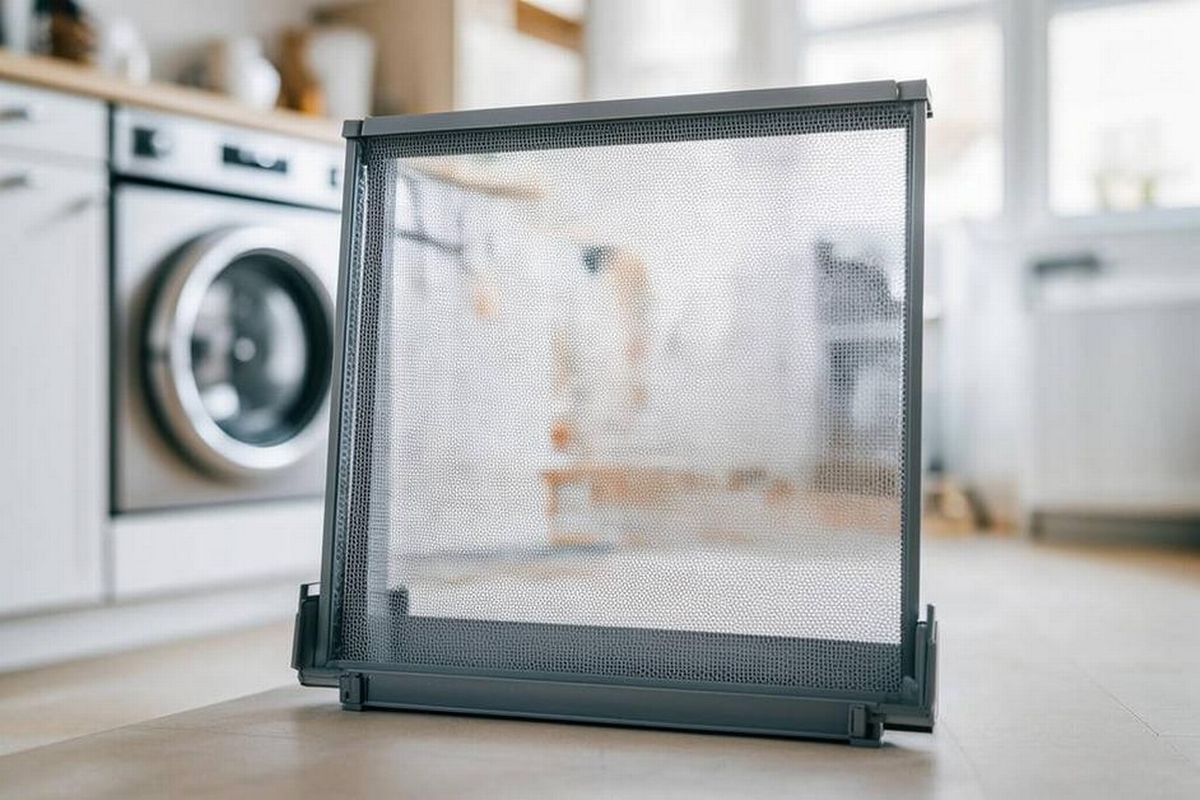
Before diving into preventive measures, it's important to understand how and why a lint trap functions within your dryer. Essentially, the lint trap is a mesh or screen filter that captures fabric particles and residues that come off clothes during the drying cycle. While this mechanism successfully reduces the amount of lint escaping into the exhaust vent, continuous accumulation can lead to blockage and overheating, which are the primary causes of a lint trap fire. Thus, keeping your lint trap clean is not only a matter of efficiency but also one of safety.
Regular maintenance of this small but significant component goes a long way in preventing potential disasters. Besides keeping the airflow smooth, a clean lint trap also enhances the appliance's performance, reducing drying times and energy consumption. As these benefits align with most homeowners’ goals, understanding and caring for the lint trap should become a regular household habit.
The most straightforward and effective way to prevent a lint trap fire is to clear the lint trap after each drying cycle. Leaving lint to accumulate not only risks fires but can also hinder the dryer's efficiency, leading to prolonged drying times and increased energy bills. Make it a routine step in your laundry process to inspect and clean the screen, removing all visible lint.
Simply pull out the lint screen, remove the fuzz, and replace it before your next load. Though it may seem simple, this small action plays a major role in mitigating potential fire risks. By creating this habit, you will take a proactive step in maintaining a safe home environment.
While cleaning the lint trap is crucial, lint can still find its way past the screen and into the dryer vent. Over time, this can lead to serious blockages, creating a prime condition for a lint trap fire. To counteract this, homeowners are encouraged to perform or schedule a professional cleaning of the dryer's exhaust vent at least once a year.
Inspect the entire venting system from the dryer to the outside exhaust flap, ensuring there are no obstructions. In some cases, this task may require the aid of long brushes or vacuum attachments designed for dryer maintenance. If the idea of navigating your vent system seems daunting, it might be worth contacting a professional service.
Often, lint issues and dryer-related fires can stem from improper use of the appliance. Make sure to always follow the manufacturer's instructions regarding load size and recommended settings. Overloading your dryer can not only cause strain on the machine but can also lead to increased lint build-up as clothes are less able to move freely.
Additionally, be mindful of what materials are being placed in the dryer. Items like plastic, rubber, or foam, or anything with oils (including wet rags used to clean up oil), should never be processed in a traditional clothes dryer. By paying attention to these details, you’ll maintain a safer dryer environment for your home.
A dryer operating smoothly is less likely to be at risk of a lint trap fire. As such, it’s important to pay attention to any changes in its performance. If you notice that clothes are taking longer to dry or seem excessively hot at the end of a cycle, these could be warning signs of a vent blockage or overheating.
Regular checks and prompt attention to unusual performance issues can prevent more serious problems from developing over time. Furthermore, unusual smells or burning odors are immediate red flags indicating that a fire might be imminent. Should you experience these signs, it’s crucial to discontinue use until the issue is resolved, ensuring safety is prioritized above convenience.
Despite best efforts, lint can accumulate in difficult-to-reach areas within the dryer or ductwork, creating hidden fire hazards. Therefore, engaging professional services that specialize in dryer maintenance and fire damage restoration in areas like Madison is often a wise move. Residents can rely on Dry Source Property Restoration for comprehensive services that prioritize safety and efficiency.
Professionals have specific tools and experience to deeply clean and inspect areas of the machine and venting system that might otherwise be neglected. This thorough attention to detail not only identifies and addresses subtle risks but also extends the lifespan and performance of your dryer.
By prioritizing the maintenance and safety of your dryer and its components, you contribute to the larger goal of home safety. In addition to the threat of fires, poorly maintained dryers can pose a risk to air quality and even lead to water damage restoration needs if unseen condensation or leaks occur. With preventive care, these are matters you won’t have to worry about.
Moreover, it's worth considering that maintaining your dryer’s safety encourages a culture of vigilance. If your home was recently affected by fire damage, addressing residential and commercial reconstruction needs may also involve ensuring all potential ignition sources are controlled, further enhancing home protection. This vigilance spreads beyond dryers, touching on all electrical and heating appliances within a household, ensuring a safer, more resilient home.
As smart maintenance of your dryer is directly linked to avoiding the risk of a lint trap fire, adopting these prevention tips becomes imperative for any responsible homeowner. By following the steps outlined above, you will not only protect your household but also enjoy the peace of mind knowing that you are contributing to a safer community.
Whether you're battling potential fire risks, dealing with existing fire damage, or considering improvements to your home's safety, expert assistance adds considerable value. Dry Source Property Restoration offers services beyond Madison, with options for fire damage restoration in Janesville to ensure comprehensive support. Get in touch with us today to safeguard your property against unexpected dangers, fortifying your home with expert guidance and peace of mind.

August 23, 2026

August 21, 2026

August 17, 2026

August 15, 2026