Professional Restoration in the Central / Southern Wisconsin area

Blog

Dealing with Closet Mold: Causes, Cleanup, and Prevention

Dealing with Closet Mold: Causes, Cleanup, and Prevention


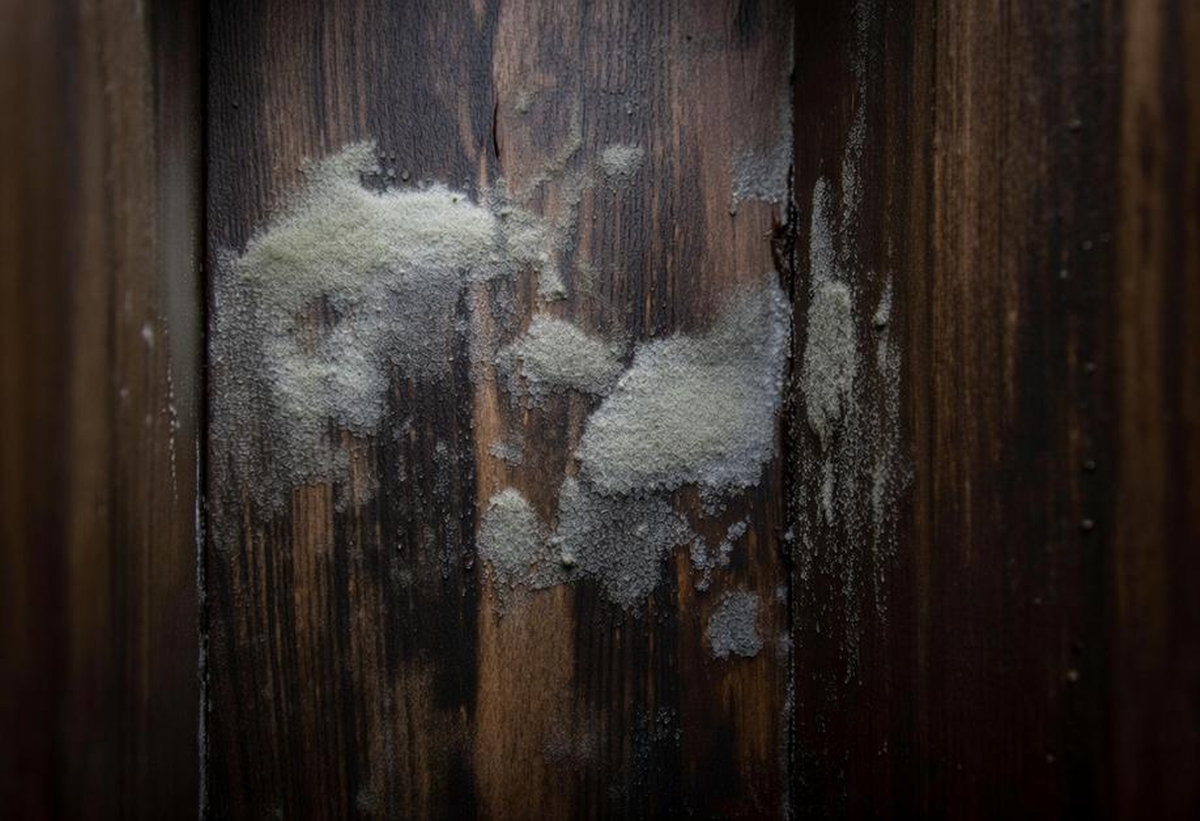
Closet mold can be a homeowner’s nightmare, especially in damp or humid environments. It not only affects the integrity of your home but can also have severe health implications. With the increasing demand for damage restoration services in the Madison area, understanding how to tackle closet mold is more critical than ever. This blog post will delve into the causes, provide effective cleanup strategies, and offer preventive measures to keep your home safe and mold-free.

Understanding the Causes of Closet Mold

Before jumping into solutions, it’s crucial to understand why mold forms in closets. Mold thrives in dark, damp, and poorly ventilated spaces, making closets an ideal breeding ground.

Common Causes of Closet Mold

  1. Poor Ventilation: Closets are often enclosed spaces with little to no airflow. This stagnation can trap moisture, creating a fertile environment for mold growth.
  2. Humidity: Moisture levels from external sources or even from within the home (like from a humidifier) can contribute significantly to mold proliferation. Homes in Madison, WI are prone to varying humidity levels, which can exacerbate the issue.
  3. Leaks: Water intrusion from roof leaks, plumbing issues, or wall seepage can silently introduce moisture into your closet, accelerating mold growth.
  4. Inadequate Insulation: Poorly insulated walls can lead to condensation, particularly in colder seasons, providing the moisture necessary for mold spores to thrive.

Effective Cleanup Solutions

Once closet mold has been identified, swift action is crucial. Mold can spread rapidly if not addressed, posing health risks such as respiratory issues and allergic reactions. Proper cleaning not only removes mold but also prevents it from returning.

Step-by-Step Guide to Cleaning Closet Mold

  1. Preparation:
  • Gather protective gear, including gloves, masks, and goggles, to prevent exposure to mold spores.
  • Ensure proper room ventilation by opening windows or using fans.
  1. Initial Cleaning:
  • Remove all items from the closet, washing fabrics and wiping down non-porous items with vinegar or a mold-killing solution.
  • Use a HEPA vacuum on the carpet and other surfaces.
  1. Surface Treatment:
  • Mix a vinegar and water solution (or use a commercial mold cleaner) to scrub affected areas. Avoid using bleach, as it may not be effective on porous surfaces.
  • After cleaning, dry the area thoroughly with fans or dehumidifiers to eliminate lingering moisture.
  1. Material Replacement:
  • Severely damp or compromised materials, such as drywall or carpeting, should be replaced altogether. This can also be an opportunity to inspect and improve insulation or ventilation.
  1. Professional Help:

DIY or Professional?

While DIY methods can be effective for minor mold issues, extensive infestations often require professional intervention. Experts possess the tools and knowledge to uncover hidden mold and stop it at its source. Companies like Dry Source Property Restoration offer comprehensive mold remediation services to ensure your home is mold-free and safe.

Prevention: Keeping Closet Mold at Bay

Preventive measures are key to avoiding mold problems in the future. With a few strategic actions, you can maintain a mold-free closet environment.

Practical Prevention Tips

  1. Improve Air Circulation:
  • Install vents or fans to improve airflow within closets. For closets backing onto external walls, consider venting directly outside.
  • Regularly leave closet doors open, especially during humid months, to promote air exchange with the rest of the house.
  1. Dehumidify:
  • Use a dehumidifier in high-humidity seasons to reduce moisture levels, particularly in Wisconsin's variable climate.
  • Install moisture absorbers or silica gel packs in closets to help capture excess humidity.
  1. Routine Checks:
  • Regularly inspect closets for leaks, stains, or unusual odors. Catching potential issues early can prevent larger problems.
  • Consider seasonal checks to adjust insulation or ventilation as needed.
  1. Proper Storage Solutions:
  • Opt for plastic or metal shelving over wood to minimize mold’s favorite organic surfaces.
  • Store items in sealed containers to prevent dust accumulation, which can harbor moisture.

Ensuring Long-term Success with Professional Help

While DIY methods are useful, they’re sometimes insufficient for persistent or severe mold problems. Enlisting professional mold removal and remediation can provide an extra layer of protection to safeguard your home and health. Additionally, as moisture problems often interlink with other damage forms, services such as water damage restoration in Madison may be necessary to address underlying issues fully.

Inhabitants of cities beyond Madison also have access to an array of solutions, such as mold removal and remediation in McFarland, to ensure a holistic approach to home safety and comfort.

Why Choose Dry Source Property Restoration?

Choosing the right partner in your fight against mold can make a significant difference. Dry Source Property Restoration stands out with its comprehensive services that cater to the unique needs of each home. Whether it's mold removal, residential and commercial reconstruction, or sewage cleanup and removal, proactive prevention and timely solutions from expert restoration teams can keep your home and health safe.

Don't let closet mold go unchecked. Contact Dry Source Property Restoration for personalized assessments and comprehensive solutions tailored to your home's specific needs. With our professional expertise, you can ensure a comfortable, safe, and mold-free living environment.

Follow Our Socials

Follow our community to learn the latest news from Dry Source