How Do You Dispose of an Old Fire Extinguisher?
August 21, 2026
Dry Source Property Restoration


Blog
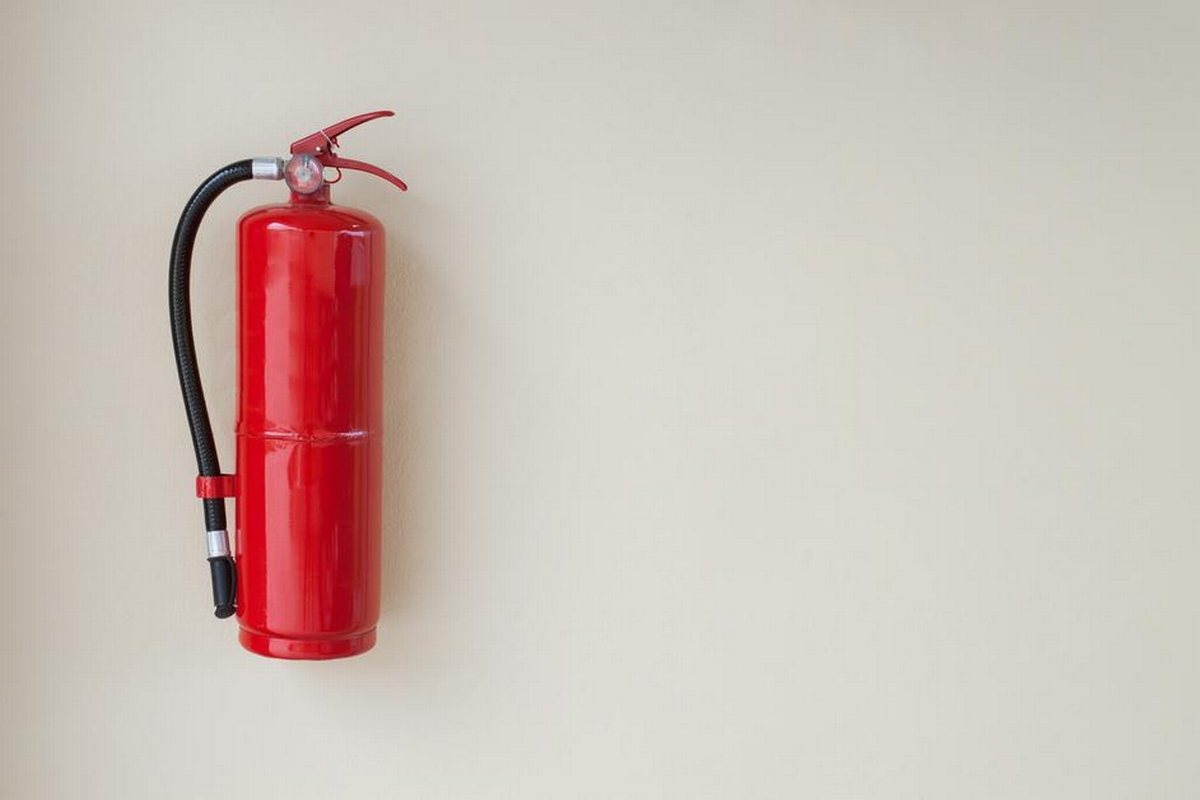
Dealing with an old fire extinguisher is a task many might underestimate. However, knowing the correct methods for disposal is pivotal not just for safety but for environmental reasons as well. So, how do you dispose of an old fire extinguisher without causing harm to yourself or the surroundings? Addressing this question not only ensures safety but also keeps your local environment and community secure. As a restoration company in Madison and beyond, ensuring safety and compliance is paramount, and proper disposal of extinguishers falls into this realm.
Fire extinguishers, like many safety tools, have a shelf life. When they are past their prime, they can become more of a hazard than protection. Disposing of them correctly aligns with the broader safety initiatives many restoration companies follow, including fire damage restoration. This blog will guide you through the various responsible ways to dispose of old fire extinguishers properly. Whether you’re a homeowner or a business in Madison needing to discard your extinguisher, following these steps will help prevent accidents and environmental harm.
Before diving into disposal methods, it’s essential to understand why proper disposal is critical. Fire extinguishers, although lifesaving in emergencies, contain chemicals that can be harmful if released improperly. Not only do old extinguishers pose risks like potential leaks or pressure bursts, but their contents can also contaminate local water sources and soil if improperly discarded. By following correct disposal practices, you uphold safety standards and contribute to a lesser environmental impact.
Additionally, municipalities and local laws often have regulations governing the disposal of hazardous materials. Ignoring these not only poses a threat to the environment but could also lead to fines or penalties. Knowing how to dispose of old fire extinguishers allows you to stay compliant and responsible as a community member. Just as restoring properties after fires requires knowledge and adherence to safety standards, so does the handling and disposal of extinguishers.
Before you decide to get rid of a fire extinguisher, it’s essential to identify if it truly needs disposal. The first sign to look for is the expiry date, often marked on the extinguisher label. Extinguishers typically last anywhere from 5 to 15 years. Over time, even sealed ones can lose pressure and effectiveness.
Physical wear, such as rust, dents, or missing safety pins, also indicates it's time for a new extinguisher. Consider other malfunction signs like a broken handle or nozzle, which could mean the extinguisher might not function correctly during an emergency. If you’ve used the extinguisher during a fire, disposing of it and acquiring a replacement is non-negotiable to maintain safety readiness.
Disposing of a fire extinguisher can seem daunting, but with clear steps, you can ensure it’s done safely.
Ensuring each step is adhered to minimizes any potential injury risks or environmental damages. It may seem like a detailed process, but such diligence supports community health and safety.
Madison and its surrounding communities greatly benefit from proper fire extinguisher disposal. When old extinguishers are disposed of correctly, we ensure that local wildlife and water supplies remain uncontaminated. Community awareness about such disposal practices enhances public safety knowledge. This local initiative ties into broader environmental sustainability principles.
Likewise, companies specializing in fire damage restoration often advocate for rigorous safety compliance, including waste disposal. By disposing of the old extinguisher safely, you align with best practices that professional restoration companies follow. Proper waste management ensures fewer risks, reduced environmental footprints, and compliance with waste management regulations.
Beyond the immediate safety and environmental implications, understanding how to dispose of an old fire extinguisher connects you to broader community efforts around safety and sustainability. Here are several key considerations:
While many individuals handle extinguisher disposal independently, engaging professionals can be beneficial, especially for businesses or larger organizations. Professional services like those offered by Dry Source Property Restoration in Madison provide expert guidance, ensuring compliance and eco-friendly handling of fire extinguishers and other hazardous materials.
For homeowners who may not fully understand pressure mechanisms or disposal protocols, professionals promise safety and reassurance that the extinguisher is appropriately managed. Engaging experts reduces risks of accidents during disposal. Restoration professionals often offer complementary safety checks and consultations for dealing with other potential hazards.
If you're located in areas such as Madison, consider consulting with Dry Source Property Restoration for professional facilitation. Beyond disposing of fire extinguishers, their services extend to comprehensive safety and restoration needs like fire damage restoration or biohazard cleanup in the Madison area. They are equipped to handle not just disposal but a multitude of restoration and safety advisory services.
Securing professional help, like biohazard cleanup in Whitefish Bay, not only saves time but ensures peace of mind knowing things are managed with expertise. Engaging with reliable services such as Dry Source Property Restoration provides reassurance that your safety equipment and waste are handled responsibly.
Each step taken towards conscientious disposal of old fire extinguishers ensures the health and safety of your immediate environment and the larger community. Embrace this responsibility, and join the wave of local efforts focused on community safety and environmental preservation. By partnering with Dry Source Property Restoration, you safeguard both home and business environments. Contact us today!
August 21, 2026

August 17, 2026

August 15, 2026
August 9, 2026