How Can You Tell If You Have a Chimney Fire?
August 23, 2026
Dry Source Property Restoration


Blog
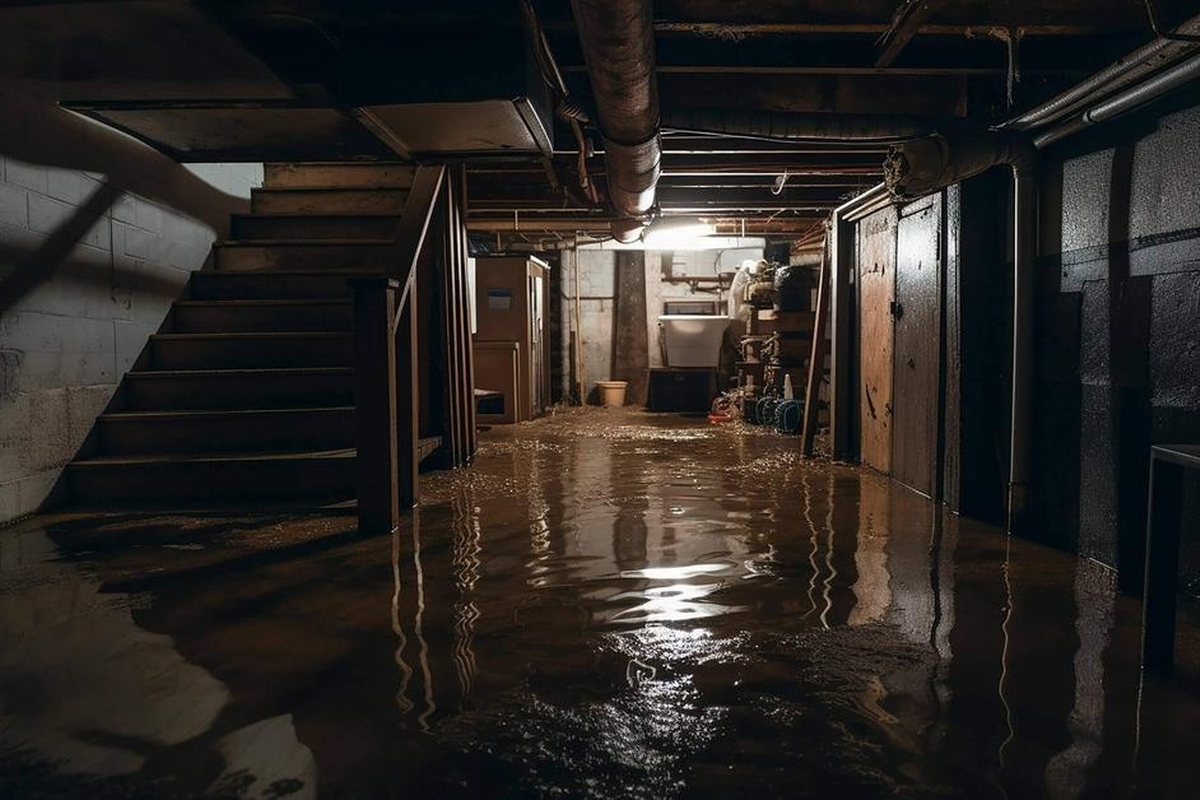
Even a small amount of water in your basement can spell long-term trouble for your property. Whether it's from a heavy rainstorm, melting snow, or a broken pipe, moisture can seep into the foundation, damaging the structural integrity and inviting unwanted mold and mildew growth. Understanding the threshold of how much water in a basement is bad is critical for homeowners in Madison, WI. This is where a trusted restoration company in Madison and its nearby cities can play a pivotal role in ensuring your home's safety and health. From assessing minor damp issues to tackling large-scale flooding, their expertise and swift action can make all the difference in mitigation and repair.
When water finds its way into your basement, it might not seem like a significant concern at first. However, even small puddles can quickly escalate into serious problems if left unattended. This blog post will explore signs that water presence in your basement is problematic, outline potential risks to your health and property, and provide practical solutions to manage water accumulation effectively. We’ll guide you through identifying issues before they become severe and exploring available professional services that can rectify damage efficiently.
Water accumulation isn't always immediately visible. Sometimes, it manifests through hidden signs that, if caught early, can prevent costly repairs.
Basement water issues often begin insidiously. You might notice a musty smell, peeling paint, or efflorescence, white, powdery residue on concrete walls and floors. Moisture behind surfaces can lead to these signs, indicating that, beneath what meets the eye, deterioration is occurring. How much water in the basement is bad? When these signs appear, even minimal amounts indicate a problem that needs to be addressed.
When standing water becomes visible, it's already a clear sign that there's a considerable issue. This can range from small leaks forming puddles to full-scale flooding after heavy rains or pipe bursts. Even small pools can indicate persistent drainage problems or foundation issues that need immediate attention.
Water presence in your basement isn't just a threat to structural stability; it's also a looming health risk.
Persistent moisture is a breeding ground for mold and mildew, and these bring a host of potential health problems. Mold spores can exacerbate respiratory issues, allergies, and asthma. Underestimating how much water is in the basement is bad and could expose you and your family to these health risks.
Damp environments attract pests. A wet basement can quickly become an appealing home for insects and rodents, leading to additional health hazards and potential structural damage as these uninvited guests burrow into walls and foundations.
Basements are the foundation of your home, both literally and figuratively.
Water accumulation can erode the foundation of a home, compromising structural integrity over time. Cracks can form in the walls or flooring, wood can rot, and metals might corrode. This isn't just a problem of aesthetics - it's a danger to your home's safety.
Beyond immediate damage, a waterlogged basement can decrease property value. Potential buyers are wary of water issues, knowing the long-reaching implications and costly repairs that accompany them. This makes addressing basement water problems an essential part of maintaining home value and marketability.
Proactive measures are always better than reactive ones. Here’s how you can safeguard your basement effectively.
Ensuring proper drainage around your home is crucial. Install or maintain gutters and downspouts to direct water away from the foundation. Additionally, consider basement waterproofing systems that include sealants and sub-floor drainage systems to prevent water intrusion.
When preventative measures aren’t enough, or if water has already infiltrated, professional services such as water damage restoration in Madison can offer comprehensive solutions. These experts assess the extent of damage, remove water, and restore affected areas, bringing your basement back to its former condition.
For residents in Madison, WI, knowing when to call in expert help is essential. Professional restoration services offer not just repair but peace of mind.
Services range from initial water extraction to contamination cleanup, as well as repairs to structural damage caused by prolonged water exposure. By quickly addressing how much water in the basement is bad, restoration companies prevent the escalation of issues, saving homeowners from more severe financial outlays in the future.
Your choice of restoration service should depend on their experience with similar cases, availability of 24/7 emergency services, and how comprehensive their assessments and solutions are. It ensures that your basement is returned to a healthy state and remains so.
Dry Source Property Restoration doesn't limit its services solely to Madison, WI. Offering mold removal and remediation in Waterford, they extend expert solutions across multiple cities. This wider reach ensures that wherever water issues arise, prompt and professional assistance is available.
Ultimately, understanding how much water in the basement is bad is about recognizing the threshold at which action is needed to prevent further damage. Taking immediate steps to address water issues with the help of professionals can protect your home, safeguard your health, and preserve your equity.
For homeowners facing water problems, Dry Source Property Restoration provides tailored solutions for both immediate and long-term protection, including its renowned mold removal and remediation. By choosing a specialized restoration service, you're taking crucial steps to ensure your home remains safe and sound for years to come. Whether you're battling minor leaks or major floods, contacting a trusted service can make all the difference in safeguarding what's often your most significant investment - your home.
August 23, 2026
August 21, 2026

August 17, 2026

August 15, 2026