On Wood Surfaces, What Kills Black Mold Effectively?
September 9, 2026
Dry Source Property Restoration


Blog
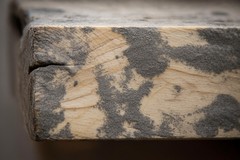
That fuzzy dark stain spreading across a basement stud or the underside of a windowsill is more than an eyesore. Wood is porous, which means mold can push its roots below the surface and keep coming back long after you wipe the top clean. So when homeowners ask us what kills black mold on wood, the honest answer is that it depends on how deep the growth has gone and how much moisture is feeding it. As experienced restoration contractors in Madison and beyond, we deal with mold on framing, subfloors, trim, and furniture nearly every week, and the right approach is rarely a single spray bottle.
Before reaching for any product, it helps to understand why wood is such a hospitable home for mold. Cellulose is a food source, and even a small amount of trapped humidity gives spores everything they need to colonize. Killing the visible growth is only half the job. If you do not address the underlying moisture, the mold will return within weeks no matter how thoroughly you scrubbed.
The most effective cleaning agents for wood are not always the ones people expect. Many reach for chlorine bleach first, but bleach is largely water, and while it lightens the stain on the surface, its active ingredient struggles to penetrate porous wood. That means the discoloration may fade even as living mold survives underneath. For sealed or non-porous surfaces bleach can help, but on raw wood there are better options.
When people ask us what kills black mold on wood, we point to a few proven choices. White distilled vinegar is a favorite because it is mildly acidic and can penetrate wood to kill many mold species at the root. Undiluted 3 percent hydrogen peroxide is another strong option, foaming into the grain and breaking down growth without the harsh fumes of stronger chemicals. Borax mixed with water creates a high-pH solution that inhibits regrowth and does not release toxic vapors. For lingering surface odors, a small amount of dish soap and warm water can lift residue before you apply a killing agent.
Whichever product you choose, the technique matters as much as the chemical. Apply generously, give it ten to fifteen minutes of dwell time, scrub gently with a soft brush so you do not gouge the grain, and then dry the area completely. Leftover moisture is the single most common reason cleaned mold returns.
Not every piece of moldy wood can be saved, and knowing the difference protects your health and your wallet. Surface mold on finished, structurally sound lumber usually cleans up well. But if the wood is soft, crumbling, darkly stained all the way through, or has been wet for a long time, cleaning is often a losing battle. At that point the material should be cut out and replaced, because embedded mold in compromised wood keeps releasing spores into your air.
Structural framing, subflooring, and load-bearing members deserve special caution. Sanding or aggressively scrubbing these surfaces can send a cloud of spores throughout the home, spreading contamination to previously clean rooms. This is one of the reasons professional mold removal and remediation includes containment barriers and negative air pressure. If you are unsure whether a board can be salvaged, it is worth having it assessed before you invest hours in cleaning something that needs to come out.
You can apply the most effective mold killer available and still fail if the source of water is not fixed. Mold on wood is almost always a symptom of a moisture problem: a slow plumbing leak, a damp crawl space, poor ventilation, condensation on cold surfaces, or the aftermath of flooding. In many of the homes we visit, mold on framing traces directly back to an unresolved water intrusion, which is why our water damage restoration and mold work so often go hand in hand.
Before you consider the job done, identify and correct the water source. Repair the leak, improve drainage, run a dehumidifier, or add ventilation to bathrooms and basements. Aim to keep indoor humidity below roughly 50 percent. Wood that stays dry simply will not support new growth, and that is the most reliable long-term defense you have. If you recently experienced a flood or a burst pipe, addressing the drying process quickly is critical, and our team handling water damage restoration in Madison, WI can help stop the problem before mold ever takes hold.
Even a modest cleaning project stirs up spores, so protect yourself before you begin. Wear an N95 respirator, gloves, and eye protection, and open windows or set up a fan to keep air moving out of the space rather than through the house. Never mix cleaning agents, especially bleach with ammonia or vinegar, because the resulting fumes can be dangerous. Bag and discard any moldy materials rather than leaving them in the work area.
Homeowners can generally handle small patches, meaning growth smaller than about ten square feet on an accessible, sound surface. Beyond that size, or when mold appears inside walls, HVAC systems, or across structural wood, the risk of spreading contamination rises sharply. Those situations call for trained professionals with proper containment and equipment.
Some signs point clearly toward expert help. A musty smell that persists after cleaning, mold that keeps returning to the same spot, visible growth on framing or subfloor, or health symptoms among household members all suggest a deeper problem than a spray bottle can solve. Professional remediation not only removes the visible mold but also tests, contains, and addresses the moisture cycle so the issue does not simply relocate.
Our specialists provide thorough mold remediation in Greenfield and throughout the surrounding region, using containment, HEPA filtration, and moisture mapping to make sure the job is truly finished. We serve communities well beyond the capital area too, so whether your property is nearby or you need mold removal in Janesville, our crews are equipped to respond and restore your space to a healthy condition.
To recap the essentials: vinegar, hydrogen peroxide, and borax outperform bleach on porous wood, deeply damaged boards should be replaced rather than cleaned, and no treatment lasts unless you fix the moisture behind it. Understanding what kills black mold on wood empowers you to tackle small problems safely, and to recognize when a situation is bigger than a weekend project. When black mold has taken hold on the wood in your home and you want it handled correctly the first time, reach out to Dry Source Property Restoration for a professional assessment and a clear plan to get your property dry, clean, and protected.
September 9, 2026
September 7, 2026
![[Homeowner Guide] Yard Waste in Madison, WI and Where to Dispose of It](https://www.unitedstatesbd.com/images/unitedstatesbdcom/bizcategories/22212/News/613023/homeowner-guide-yard-waste-in-madison-wi-and-where-to-dispose-of-it.jpg "'[Homeowner Guide] Yard Waste in Madison, WI and Where to Dispose of It' Featured Image")
September 3, 2026

September 1, 2026