How Can You Tell If You Have a Chimney Fire?
August 23, 2026
Dry Source Property Restoration


Blog
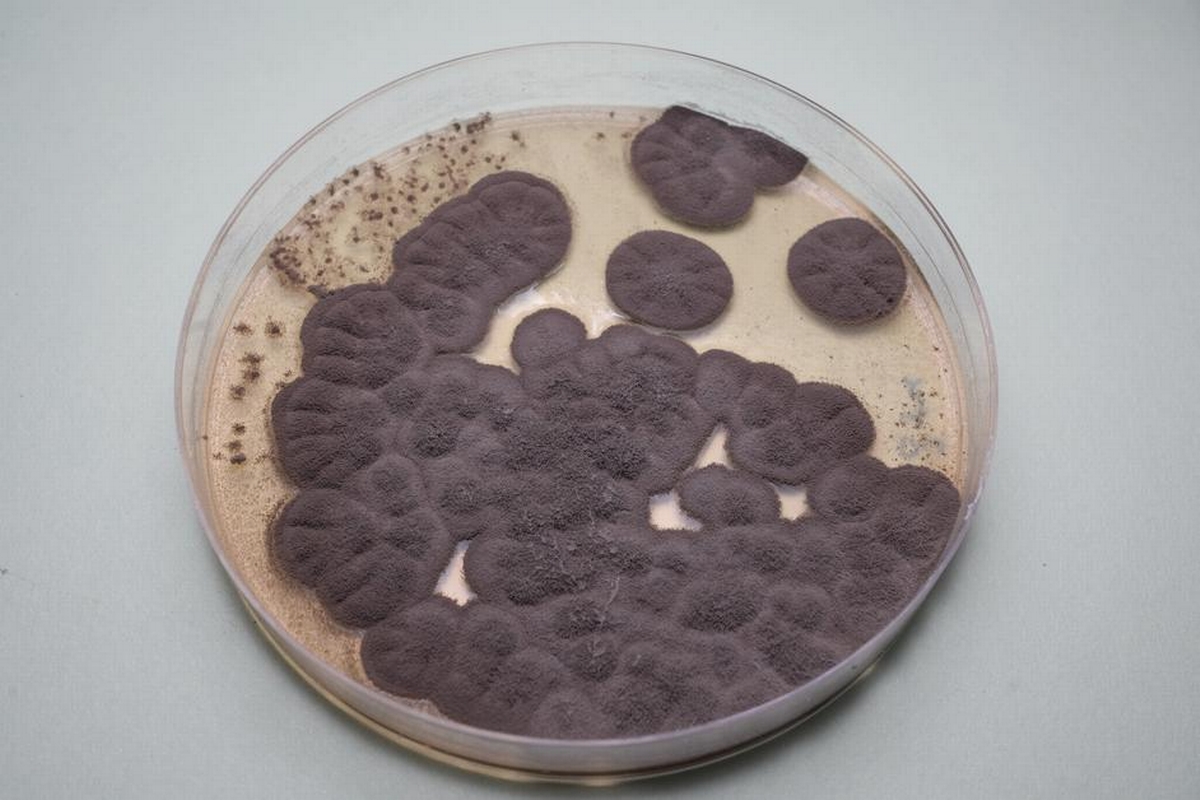
Mold is an unwanted guest that finds its way into homes and businesses, often under the guise of moisture and darkness. Among various types of mold, purple mold stands out not just for its striking color but also for the potential health risks it may pose. For those residing in damp or humid climates, like many areas in Madison, WI, understanding the presence of purple mold is crucial. As a restoration company in Madison and its nearby areas, Dry Source Property Restoration aims to inform residents about this specific mold type, so they can take appropriate action to ensure their safety and comfort.
Purple mold, like many of its colorful relatives, is often found in areas with high levels of moisture. This could include bathrooms, basements, or even under leaky roofs. It thrives where moisture meets adequate darkness and organic material, and its presence can point to serious underlying water problems that must be addressed. But how do you identify it, and what makes it different from other molds? This blog post delves into the nature of purple mold, how to identify it, and effective strategies for remediation.
Many types of mold present a similar set of signs and symptoms, but purple mold is visually distinctive. Its color can vary from a deep purple to a lighter lavender, depending on the conditions. It generally appears fuzzy or velvety to the touch and can spread quickly through fibrous materials such as wood, paper, or fabric. Buildings that have persistent moisture issues or ineffective ventilation are prime locations for the growth of this mold.
Besides its unique color, purple mold often carries a musty odor, indicating microbial growth. This distinctive smell can be one of the first indicators of a mold problem before it is visibly apparent. Homeowners should be alert for this characteristic scent, especially in locations known to harbor moisture. Regular maintenance and keen observation are vital steps in preventing mold infestations.
Another critical aspect of purple mold is its potential health impact. It can exacerbate respiratory problems and allergies, particularly in sensitive individuals or those with compromised immune systems. Symptoms triggered by exposure to purple mold include coughing, sneezing, eye irritation, skin rashes, and, in severe cases, asthma attacks.
Long-term exposure to mold can also lead to chronic health issues. Therefore, it is crucial not only to identify its presence but to take swift action to remove it. While not all molds are toxic, taking a cautious approach is wise when faced with this vibrant invader.
Detecting purple mold requires a combination of visual inspections and sensory awareness. Look for discolored patches on walls, ceilings, or flooring in areas prone to dampness. The mold may appear in streaks or blotches, which could accelerate in growth if not promptly addressed. Beyond sight, the previously mentioned musty odor provides another clue, signaling possible concealed mold growth.
Another place to come across purple mold is in places like shower fixtures, where moisture and organic material like soap residue provide an ideal culture for mold. In areas such as bathrooms or poorly insulated attics, the right conditions can lead to this unusual mold variety setting up residence.
To confirm whether you indeed have a purple mold issue or if it is another discoloration caused by mineral stains or different fungi, a professional assessment may be invaluable. Experts in mold removal and remediation in Madison, such as those at Dry Source Property Restoration, offer comprehensive testing and identification services.
Mold is opportunistic and will take advantage of unaddressed water issues in residential environments. Common contributors to mold development include leaky pipes, roof leaks, condensation from HVAC systems, and poor ventilation. Understanding these causative elements is critical in forming a preventative strategy to combat mold growth before it establishes itself.
Homeowners should regularly check these areas and take preventive measures to limit water accumulation. One efficient way to keep moisture at bay is ensuring sufficient ventilation, using a dehumidifier if required, and repairing leaks promptly. Proactive measures can significantly mitigate the potential for mold infestations, whether common or otherwise.
Builders and property managers should also address insulation vulnerabilities which exacerbate moisture retention, offering another avenue through which mold can infiltrate a structure. This is especially true in the wetter seasons when environmental humidity exacerbates conditions that enable mold proliferation.
Once purple mold is detected, it is crucial to implement an effective removal strategy. Relying solely on home cleaning products may not be sufficient for comprehensive elimination. Many commercial mold removers offer only short-term relief and do not address the root cause of moisture intrusion. Hence, calling in professional services ensures the problem is tackled at every level, safeguarding your property's long-term integrity.
It's vital to consult specialists, particularly for widespread mold issues that threaten to compromise a structure's safety or usability. Proper mold removal involves sealing off affected areas, thorough cleaning, and in some cases, removing contaminated materials to prevent recurrence. Beyond immediate remediation, experts can assist with repairs to leak-prone areas and offer insights on improving ventilation, vital in ensuring a mold-free environment.
Choosing to partner with professionals for mold removal and remediation is a proactive step towards health and safety. While DIY approaches might appeal due to cost, the long-term benefits of professional intervention will ultimately outweigh initial savings.
Preventing purple mold is an ongoing effort requiring diligence in moisture management and regular inspections. Homeowners and businesses alike should maintain comprehensive care routines, especially in spaces with higher potential for dampness.
Some actions you can take include, but are not limited to:
Professional support in maintaining a mold-free environment is invaluable, helping to identify potential issues before they develop into significant problems. A tailored mold management plan combines expertise and hands-on assistance to ensure the overall health of your property.
By now, homeowners should appreciate the importance of understanding and handling purple mold correctly. The role of professional services, such as those offered by Dry Source Property Restoration of Madison, becomes apparent when tackling such threats. From mold removal and remediation to preventive care, their expertise ensures a safe living or working environment.
In conclusion, recognizing the onset of purple mold is just the beginning. Reliable companies provide key services such as mold removal and remediation in Racine or water damage restoration in Mount Pleasant, ensuring coverage across multiple regions. By engaging these services, you're investing in a healthier, mold-free future for your home or business. Don’t hesitate to reach out to Dry Source Property Restoration for expert help. Protect your property. Protect your health.

August 23, 2026

August 21, 2026

August 17, 2026

August 15, 2026