What Storm Damage Tree Removal Costs and Why Prices Vary
September 17, 2026
Dry Source Property Restoration


Blog
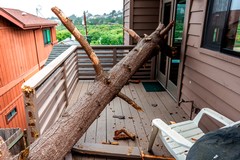
When a severe storm rolls through southern Wisconsin, one of the first things property owners worry about is the towering oak or maple now leaning against the roof. Falling limbs and uprooted trees are among the most common and most expensive consequences of high winds, ice, and saturated soil. That is why understanding the storm damage tree removal cost ahead of time can save you both stress and money when the wind finally settles.
At Dry Source Property Restoration, we have helped countless homeowners recover after nature does its worst, and we offer full damage restoration services in Madison, WI and beyond. Tree removal is often just the beginning of the recovery process, but it is a critical first step in getting your property safe and secure again. Below, we break down what influences pricing so you can make informed decisions during a difficult time.
There is no single flat rate for clearing a downed or damaged tree, because every situation is genuinely different. A small limb resting harmlessly on your lawn is a far cry from a 60-foot pine that has crashed through a bedroom ceiling. The storm damage tree removal cost depends heavily on the size of the tree, its location, and how much risk is involved in removing it safely.
Larger trees require more labor, heavier equipment, and more time. A crew may need cranes, bucket trucks, or specialized rigging to bring down a massive trunk without causing further harm to your home or your neighbor's property. Height and trunk diameter are two of the biggest factors, and species matters too. Hardwoods like oak are denser and heavier than softer species, which affects how long the job takes and how it must be handled.
Homeowners are often surprised when two seemingly identical trees carry very different price tags. Accessibility is usually the reason. A tree in an open front yard where a truck can pull right up is straightforward to remove. A tree wedged between a house and a fence, tangled in power lines, or perched on a steep slope requires careful, slow work that raises the price considerably.
The condition of the tree after the storm also plays a role. A cleanly snapped trunk is more predictable than a tree that is partially uprooted and unstable, which can shift dangerously during removal. When limbs are entangled with utility lines, additional coordination with the power company may be necessary before any work can begin, and that adds both time and complexity to the job.
Emergency situations tend to cost more than scheduled work as well. If a tree has punctured your roof and rain is pouring in, you need immediate help, and after-hours emergency response naturally reflects the urgency. Weighing the risk of waiting against the added expense is something our team can help you think through.
While every job is unique, a handful of variables show up again and again when estimating what you will pay. Keeping these in mind can help you understand a quote when you receive one:
Debris cleanup is easy to overlook, but it can represent a meaningful portion of the total. A large tree produces an enormous volume of wood and brush that must be chipped, loaded, and hauled away. Some property owners choose to keep firewood or wood chips to reduce this portion of the storm damage tree removal cost, so it is always worth asking what options are available.
This is one of the most frequent questions we hear, and the answer is often yes, though it depends on your policy and the circumstances. Many homeowner policies cover tree removal when a tree damages a covered structure such as your home, garage, or fence. If a tree simply falls in your yard without hitting anything, coverage may be more limited.
Documentation matters enormously here. Take photos of the damage before anyone touches it, keep records of the storm date, and save every receipt related to emergency work. Understanding your rights as a policyholder helps too. We regularly work alongside insurance adjusters and can help make sure your claim reflects the full scope of the damage.
When a tree hits your home, removing it is only the first phase of recovery. The impact often leaves behind holes in the roof, broken windows, structural damage, and water intrusion that can lead to mold if not addressed quickly. That is why it makes sense to work with a company that handles the entire restoration process rather than juggling multiple contractors.
Our comprehensive storm damage restoration in Madison covers everything from emergency board-up and tarping to water extraction, structural repairs, and full rebuilds. Coordinating tree removal with the repairs that follow keeps the timeline tight and reduces the chance of secondary damage while your home sits exposed to the elements. When rain follows a storm, every hour counts.
For property owners across Madison and the surrounding areas, having one team manage the whole recovery means fewer headaches and a faster return to normal. We serve homeowners and businesses throughout the region, including those needing storm damage restoration in South Milwaukee, so no matter where the storm strikes, help is close by.
The best way to avoid surprises is to get a clear, itemized estimate before work begins whenever the situation allows. A reputable company will walk you through what is included, explain any factors that could change the price, and put it in writing. Beware of anyone who shows up unsolicited after a storm demanding cash up front, as these situations are unfortunately common when severe weather passes through Wisconsin.
Understanding the storm damage tree removal cost gives you the power to make smart decisions during a chaotic time. The size of the tree, its location, the difficulty of the removal, and the cleanup and repairs that follow all shape the final number, which is exactly why prices vary so widely from one job to the next. Knowing these factors ahead of time helps you evaluate any quote you receive.
If a storm has left damage on your property, do not wait for a small problem to become a major one. Contact Dry Source Property Restoration for a prompt assessment and a fair, transparent estimate, and let our experienced team guide you from the first fallen branch through the final repair.
September 17, 2026

September 15, 2026
September 9, 2026
September 7, 2026