Does Alcohol Kill Mold and Is It Effective?
August 15, 2026
Dry Source Property Restoration


Blog
Mold growth in homes isn't just an aesthetic nuisance; it poses a significant health risk if left untreated. A common question that many homeowners face is whether alcohol can kill mold and if it’s truly effective. As you explore solutions to this issue, you might also find it beneficial to consult a damage restoration company in Madison and its nearby areas to address mold problems and ensure a safe environment. This leads us to the heart of our inquiry: how effective is alcohol in mold remediation, and when should you seek professional help?
Mold is a type of fungus that grows in moist and damp conditions. It releases spores into the air, which can be inhaled, leading to respiratory issues, allergies, and even more severe health problems in vulnerable populations. The most common places to find mold in a house are bathrooms, basements, and kitchens - essentially any area prone to moisture accumulation. Addressing mold effectively is crucial for maintaining a healthy home environment.
In Madison, mold can be a particular concern due to the area's climate. High humidity levels make it easier for mold to thrive, so consistent vigilance and maintenance are necessary. Homeowners often turn to DIY solutions before calling in the professionals, and alcohol is frequently suggested as a potential remedy. But the question remains: does alcohol kill mold effectively, or is it just a temporary fix?
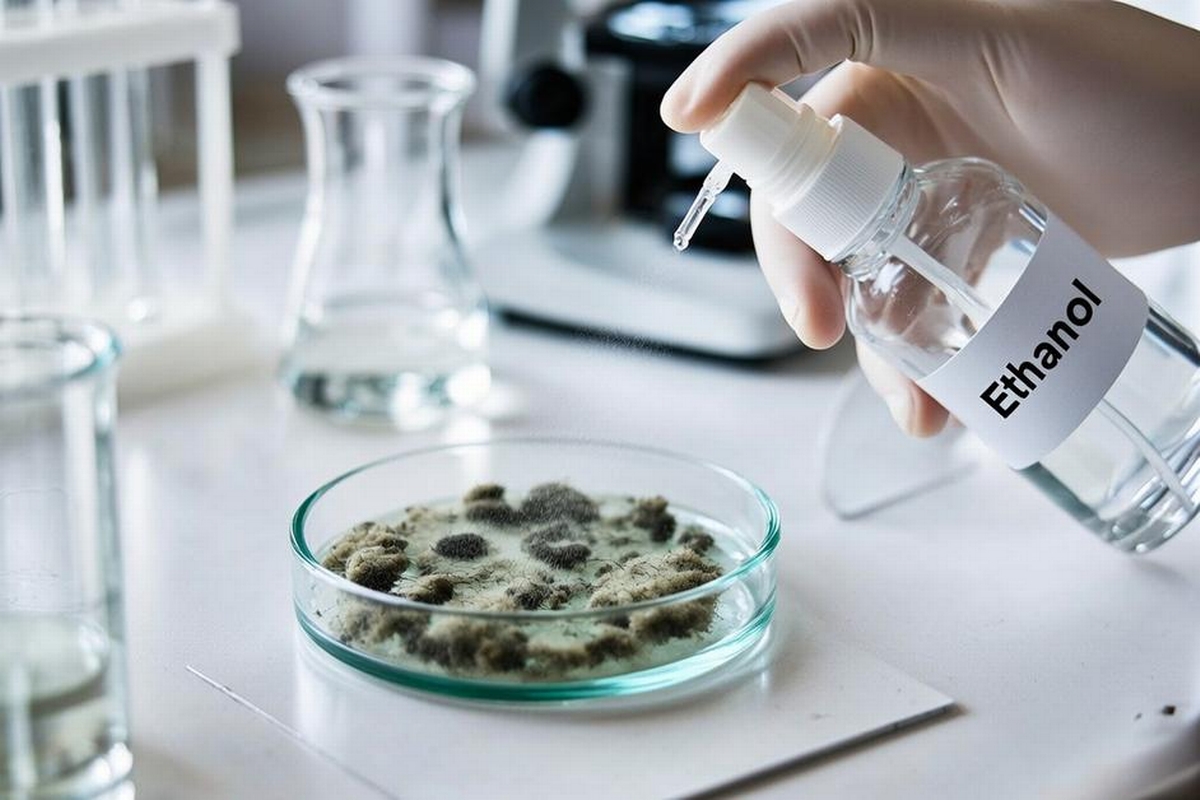
The primary method by which alcohol kills mold is through its ability to penetrate the cell walls of mold spores, thus drying them out and preventing further growth. Both isopropyl and ethyl alcohol can be used for this purpose. They are effective contact disinfectants, readily available, and can be straightforward to apply. However, their efficacy is often limited by a range of factors, including the type and extent of the mold infestation and the surface on which the mold is growing.
For example, while alcohol can kill mold spores on non-porous surfaces like tiles and glass, it might not reach deep into porous materials such as wood or drywall. This limitation underscores a critical point: alcohol may not completely eradicate mold problems in the home, especially when dealing with significant infestations.
Applying alcohol to kill mold involves a few straightforward steps, which we'll outline in a brief list for clarity:
Remember that while these steps can help mitigate mold issues, they may not offer a complete solution for widespread mold problems. This is when consulting professional services becomes vital.
Alcohol might control minor mold outbreaks reasonably well, but persistent or widespread mold problems often require a more comprehensive approach. If mold growth continues despite efforts to clean it, or if it infiltrates walls or HVAC systems, it’s time to call in professionals like those offering mold removal and remediation in Madison. Trained technicians have the right tools and expertise to address underlying moisture issues that DIY efforts might overlook.
Additionally, different types of mold, such as black mold, pose specialized challenges that require more than just surface cleaning. Professional services use advanced methods like HEPA vacuuming, controlled demolition, and dehumidification to tackle the problem at its root, ensuring long-term mold control.
While alcohol possesses antimicrobial properties, its use as a mold remediation agent comes with noteworthy limitations:
Understanding these limitations highlights why it’s critical to evaluate the situation thoroughly and not exclusively rely on alcohol for mold remediation, particularly when health is on the line.
Prevention is clearly a more effective approach to mold remediation than reactionary measures. Homeowners can undertake certain practices to reduce the risk of mold growth, ultimately minimizing the necessity for treatments like alcohol:
By maintaining a dry environment and acting quickly on early signs of mold, you can significantly reduce mold-related risks.
As we've discussed, alcohol can kill mold to some extent, but relying solely on it for effective mold remediation may not be ideal, especially in more significant cases. For those living in Madison or similar climates, dealing with mold is often an ongoing battle. Thus, integrating DIY methods with professional remediation, such as the mold removal and remediation services available in Madison, offers the best chance at mitigating mold problems comprehensively.
By enlisting the aid of professionals like those at Dry Source Property Restoration, you ensure that any mold problem is handled with the utmost precision and care. Their expertise extends beyond simple cleaning, providing lasting solutions tailored to your specific issue. From residential and commercial reconstruction to biohazard cleanup in South Milwaukee and nearby locations, Dry Source Property Restoration offers comprehensive services to protect your property and your health.
Prompt action, informed choices, and expert intervention are essential to safeguarding your home against the persistent threat of mold. Together, these strategies create a robust defense, ensuring the spaces you inhabit remain safe and healthy. Engage with us today!
August 15, 2026
August 9, 2026

August 7, 2026