Mildew vs Mold on Wood: Key Differences You Should Know
July 17, 2026
Dry Source Property Restoration


Blog
Weather patterns are changing globally, contributing to volatile moisture levels that can wreak havoc on your home’s structure. Among the silent culprits responsible for unseen damage are mildew and mold, particularly when they decide to settle on wood. Understanding “mildew vs mold on wood” is crucial for homeowners who wish to protect their property investment. In Madison, WI, where climatic conditions can exacerbate mold and mildew growth, damage restoration services in Madison and its surrounding areas offer invaluable support in addressing these issues head-on.
Mold and mildew can lead to similar consequences, yet they are distinct fungi with unique characteristics and treatment protocols. Discerning the differences in how they interact with wood and how they should be managed is essential for maintaining a safe and healthy home environment. We’ll delve into the substances and provide key insights into detection and prevention, arming you with the knowledge to safeguard your dwelling.
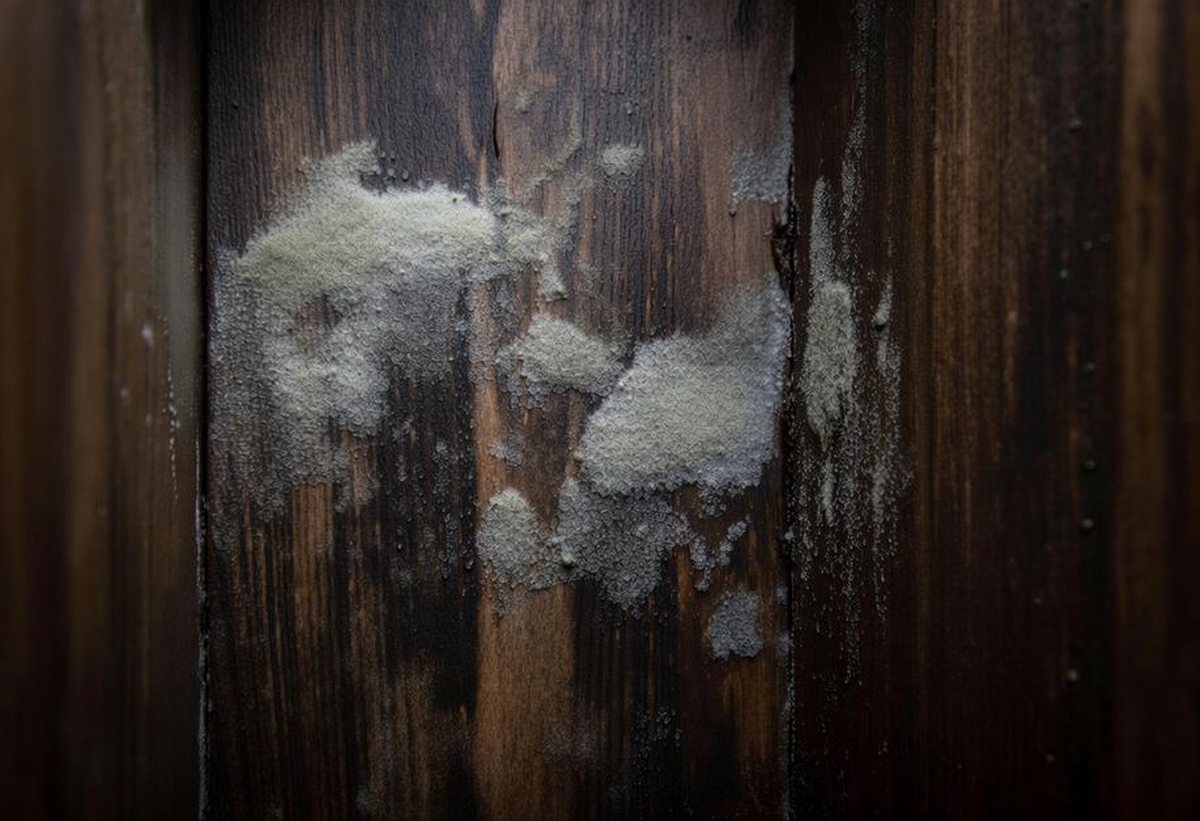
Mildew is often regarded as the lesser of two evils, but this doesn’t mean it should be taken lightly. Typically appearing as a powdery or downy coating, mildew is usually gray, white, or light brown. It thrives on moist surfaces, making wood exposed to excess humidity or leakage a prime target. Homeowners in Madison, WI, who experience water-drenched seasons, find their wooden structures are at risk if not monitored closely.
Mildew on wood may not cause severe structural damage immediately, but it does discolor the wood and contributes to a damp odor in the affected area. Over time, persistent mildew presence can contribute to the gradual decomposition of the wood fibers. This process highlights the need for vigilant maintenance and the timely intervention of professionals. Whether for water damage restoration or proactive mildew control, addressing the root cause of mildew is vital.
Unlike mildew, mold tends to command immediate attention due to its aggressive nature and potential health risks. Mold appears in varied colors, including black, green, and orange, often having a fuzzy or slimy texture. It penetrates wood and other porous materials, breaking down and weakening the structural integrity of wooden floors, walls, and furniture.
Mold thrives in damp conditions where moisture isn’t controlled. In Madison, WI, where seasonal changes can create conducive environments for mold growth, being proactive about control and remediation is essential. Mold can release allergens and irritants into the air, impacting indoor air quality and posing health risks, particularly for people with respiratory issues.
Understanding the distinct characteristics of mildew vs mold on wood is vital for determining the best course of action. Here is a brief list to help you identify and differentiate between the two:
These distinctions provide visual and sensory cues that a homeowner can use to identify which fungus they are dealing with and the appropriate response strategy.
Prevention is invariably better than cure, particularly when it comes to the threat of mildew and mold. The following strategies can significantly reduce the risk and impact of mold and mildew on wood surfaces:
The primary defense against mildew and mold is moisture control. Investing in dehumidifiers, ensuring proper ventilation, and managing leaks promptly can create an environment unfavorable for fungal growth. In humid climates like Madison, WI, maintaining relative indoor humidity between 30% and 50% can deter these fungi.
Consistently monitoring wooden surfaces for early signs of mildew or mold infestation allows for early intervention. Regular cleaning with antifungal solutions and maintaining cleanliness in areas prone to dampness can prevent the fungi from gaining a foothold.
When dealing with persistent or extensive infestations, professional help becomes crucial. Turning to experts in mold removal and remediation ensures that the problem is effectively addressed and recurrence is minimized. Firms in Madison, WI, like Dry Source Property Restoration, offer comprehensive services tailored to combat these issues efficiently.
Sometimes, mildew and mold become more than a DIY job; turning to professionals is necessary to ensure the safe removal of these fungi. Experts in mold removal and remediation in the Madison area have the knowledge and equipment to handle extensive infestations, ensuring they are eradicated without causing further damage to your property.
Taking this step not only secures the structural integrity of your home but also protects your health and that of your family. These experts can provide insights into preventing future outbreaks, giving homeowners peace of mind.
Recognizing the key differences between mildew vs mold on wood empowers homeowners with essential knowledge for navigating wood maintenance challenges. If you are battling with these unwelcome guests, insight paired with professional support is your strongest ally. Whether seeking mold removal and remediation in Madison, WI, or dealing with similar challenges elsewhere, expert assistance ensures a comprehensive response to these persistent problems.
At Dry Source Property Restoration, we pride ourselves on delivering robust solutions tailored to your needs. If you reside in the surrounding areas and are looking for services like water damage restoration in Hanover or mold remediation, our team remains ready to assist. Our commitment extends beyond just service - we aim to provide a safer, healthier home environment for you and your loved ones. Reach out to us for expert guidance and restoration services designed to withstand the challenges posed by mildew and mold.
July 17, 2026
July 15, 2026

July 7, 2026