Water Restrictions in Madison and How They Affect Property Owners
August 3, 2026
Dry Source Property Restoration


Blog
Water conservation is on many people's minds as environmental concerns grow, particularly in urban areas like Madison. In recent years, water restrictions in Madison have been implemented during drought periods or when local water supply levels are below acceptable thresholds. These restrictions can significantly impact property owners, changing how they maintain their yards, manage household water use, and even impacting the availability of damage restoration services in Madison.
When water restrictions in Madison are enacted, they are typically categorized by stages or levels of severity. Each stage poses different prohibitions and guidelines aimed at reducing water consumption. For example, in the initial stages, restrictions may focus on limiting lawn watering and car washing to certain days of the week. As the severity increases, these restrictions can expand to include prohibitions on filling swimming pools, using fresh water for non-essential purposes, and enforcing specific times for permissible outdoor water use.
These restrictions are not arbitrary. They are carefully crafted policies intended to ensure that essential water supply can meet critical needs such as drinking, cooking, and sanitation, while also maintaining ecological balance. However, for property owners, these restrictions can feel limiting and may require significant changes to their usual ways of maintaining their homes or businesses.
One of the first areas affected by water restrictions in Madison is landscaping. Lawn care often requires significant water use, especially during dry months. Property owners need to adapt by switching to drought-resistant plants, installing smart sprinkler systems, or considering xeriscaping techniques. The goal is to minimize water use without sacrificing curb appeal, but these changes can require a substantial investment of time and resources.
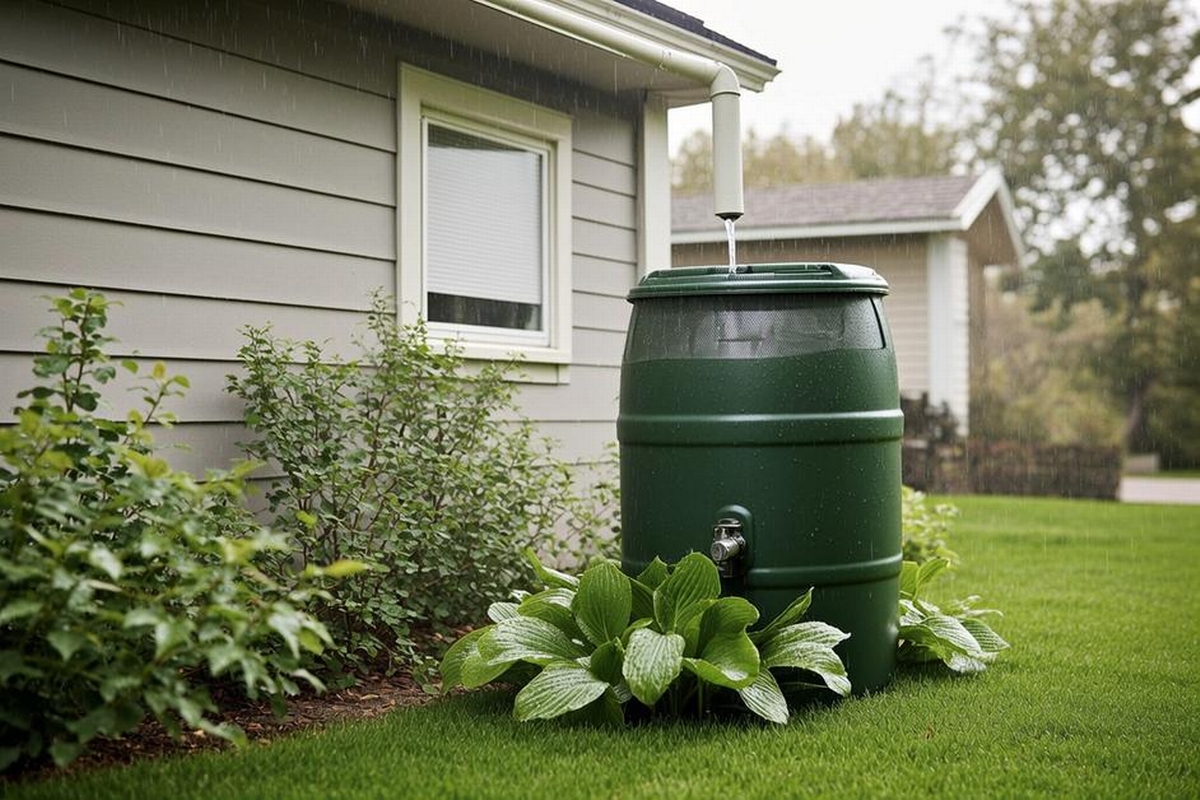
Water restrictions can also compel property owners to reevaluate their landscape management strategies. Installing rain barrels to collect and reuse rainwater, incorporating mulch to retain soil moisture, and adjusting mowing heights to support deeper root systems are effective strategies to cope with limited water supplies.
Indoors, water restrictions prompt homeowners to be more conscious of their water usage. Simple changes, such as fixing leaks immediately, installing low-flow faucets and showerheads, and using high-efficiency appliances, can help reduce water consumption. These measures not only adhere to restrictions but also lower utility bills - a win-win for environmentally and financially conscious households.
Water restrictions can also affect property development projects. Construction activities often require significant water resources, from mixing cement to dust control measures. With restrictions in place, property developers in Madison must find efficient ways to use water without breaching the guidelines. This may involve schedule adjustments to work during permitted times or investing in water reclamation technologies that allow for the recycling of water used on-site.
For companies like Dry Source Property Restoration in Madison, water restrictions may pose logistical challenges but also underscore the importance of sustainable water management in damage restoration services. Restrictions might impact how restoration services are performed and what materials or procedures are used to minimize excess water use. This can include the use of advanced equipment designed to operate efficiently under limited water conditions or employing alternative cleaning and restoration techniques that align with environmental goals.
Water restrictions in Madison are not likely to disappear anytime soon. As climate patterns become less predictable, these measures will be crucial in managing limited resources. Adapting to these challenges involves both short-term responses and long-term planning.
In the longer term, property owners are encouraged to invest in sustainable systems. Consider the installation of greywater systems, which capture and recycle household wastewater for use in irrigation. Investigating solar-powered water heaters can further reduce utility dependence. Additionally, rethinking landscape design with native, drought-tolerant plants can contribute positively to water conservation goals.
The correlation between effective damage restoration services and water conservation cannot be overlooked. By utilizing strategies that align with water restrictions in Madison, companies like Dry Source Property Restoration can help property owners maintain safety and comfort in their spaces. Advanced equipment, eco-friendly materials, and resource-efficient practices are crucial for restoration companies adapting to these restrictions. As these companies address issues like water, fire, and mold damage, they continually refine their approaches to align with both environmental regulations and the needs of their clients.
In cases where severe damage occurs due to unforeseen natural or manmade events, Dry Source Property Restoration in Madison stands ready to assist property owners. With in-depth knowledge of both restoration techniques and current water use guidelines, the company ensures that recovery efforts are both effective and environmentally responsible.
With water restrictions in Madison emphasizing the need for resourcefulness and resilience, partnering with a reliable restoration service is more crucial than ever. Whether you've encountered storm issues requiring storm damage restoration in Madison or are dealing with water damage restoration in Greenfield, Dry Source Property Restoration is prepared to help you navigate these challenges with solutions tailored to your unique needs.
Our experienced team understands the pressures property owners face under these restrictions. We provide streamlined and professional support, prioritizing both immediate recovery and long-term sustainability. Contact Dry Source Property Restoration today to ensure your property remains protected against the impacts of water restrictions. Let us help you build a resource-aware space that meets the demands of environmentally focused constraints without compromising comfort or safety.

August 1, 2026

July 21, 2026