Water Damaged Hardwood Floors: What Determines Whether They Can Be Restored?
November 9, 2026
Dry Source Property Restoration


Blog
Few things sink a homeowner's heart faster than spotting a dark stain spreading across a beautiful wood floor. Hardwood is prized for its warmth and longevity, but it has one real weakness, and that weakness is moisture. When a pipe bursts, an appliance leaks, or storm water finds its way inside, water damaged hardwood floors can go from barely noticeable to badly warped in a matter of hours. The good news is that not every soaked floor is a lost cause.
As a damage restoration company in Madison, we are often asked whether a floor can be saved or whether it needs to come out entirely. The honest answer is that it depends on several factors, including how long the wood stayed wet, how clean the water was, and how quickly drying began. Understanding these variables helps you make smart decisions instead of expensive guesses.
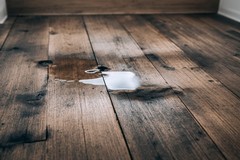
Wood is naturally porous, which means it absorbs moisture and releases it depending on the environment around it. When a floor gets wet, the boards swell as they take on water. If drying happens slowly or not at all, that swelling leads to cupping, where the edges of each plank rise higher than the center, or crowning, where the center bulges upward. In more severe cases, boards buckle and lift completely away from the subfloor.
The subfloor beneath your hardwood matters just as much as the visible planks. Plywood and particleboard subfloors hold moisture and can transfer it back into the wood above, which is why a floor that looks dry on the surface may still be saturated underneath. This hidden moisture is a leading reason why restoration attempts fail when they are rushed or handled without proper equipment. Measuring the actual moisture content of both the hardwood and the subfloor is the only reliable way to know where things stand.
When we evaluate water damaged hardwood floors, we weigh a handful of key considerations before recommending a path forward. No single factor tells the whole story, but together they paint a clear picture of what is realistic.
A floor that scores well across these factors is a strong candidate for drying and refinishing. One that is heavily contaminated, has been wet for a week, and shows widespread buckling is usually better replaced. Most situations fall somewhere in the middle, which is where a professional assessment pays off.
The single biggest influence on whether a floor survives is how quickly structured drying begins. In the first day or two, swelling is often temporary, and controlled drying can coax the moisture back out before the wood sets into a distorted shape. The longer water sits, the more the cellular structure of the wood changes, and those changes become permanent.
Professional drying is not the same as pointing a household fan at the problem. Restoration teams use specialized drying mats, dehumidifiers, and air movers designed to pull moisture from deep within the boards and the subfloor at a measured pace. Drying too aggressively can crack the wood, while drying too slowly invites mold. Monitoring moisture readings daily ensures the floor reaches a stable, safe level before anyone decides whether refinishing is possible. If you want to understand the broader process, our overview of water damage restoration in the Madison region explains how the drying stages fit together.
Homeowners often assume a wet floor is ruined the moment they see cupping, but appearances early on can be misleading. Mild cupping frequently relaxes as moisture equalizes between the top and bottom of each board. If the water was clean, the exposure was short, and the planks are solid hardwood thick enough to sand, there is real reason for optimism.
On the other hand, a few warning signs point toward replacement. Boards that have pulled apart with visible gaps, planks that crack or splinter when touched, a musty odor that signals mold beneath the surface, and spongy areas that give underfoot all suggest the damage has gone too far. Trusting a trained eye to tell the difference prevents both premature replacement and wasted effort on floors that cannot recover.
Water and mold go hand in hand, and hardwood floors create an ideal hiding place for mold growth. The dark, damp space between the planks and the subfloor can support colonies that are invisible from above. If moisture lingers beyond a couple of days, mold becomes a genuine concern, and addressing it is about health as much as aesthetics.
When mold is confirmed, drying alone is no longer enough. Affected materials may need removal and professional mold remediation in Madison and its surrounding counties to make sure spores are contained and eliminated rather than spread through the home. Catching the problem early, before mold has a chance to take root, is one more reason that acting quickly protects both your floor and your family.
Deciding what to do with water damaged hardwood floors comes down to balancing speed, water quality, and the extent of warping against the realistic odds of a lasting repair. Floors dried quickly after clean water exposure often recover beautifully with patient drying and refinishing. Floors that sat wet for days, absorbed contaminated water, or developed mold usually make replacement the more sensible investment. An accurate moisture assessment removes the guesswork and keeps you from spending money twice.
Whether you are in Deerfield, Madison, or one of the surrounding areas, the most important step is to call for help the moment you notice the damage. The same principles guide our work on water damage restoration in Waukesha and throughout the region, where fast response and proper drying consistently give floors the best chance to be saved.
If your floors have taken on water, do not wait to see what happens. Reach out to our team for a professional evaluation, and we will help you understand exactly what your hardwood needs and whether restoration is within reach. Quick action today often makes the difference between a floor you refinish and a floor you replace.

November 1, 2026