What Is a Sewage Ejector Pump and When Do You Need One?
October 17, 2026
Dry Source Property Restoration


Blog
Few plumbing problems are as unpleasant to deal with as sewage backing up into a basement or lower level of a home. If you have ever wondered how homes manage to drain waste from fixtures that sit below the main sewer line, the answer often comes down to a single piece of equipment. So what is a sewage ejector pump, and why does it matter for your property? As a trusted damage restoration company in Madison, we field this question often, especially from homeowners who have just finished a basement bathroom or are planning one.
Understanding how these pumps work can save you from costly backups, water damage, and the headaches that come with them. In this guide, we will walk through what these pumps do, how to recognize when you need one, and the warning signs that something has gone wrong.
Gravity handles most of the waste leaving your home. Water and solids flow downhill through your drain pipes and out to the municipal sewer or septic system. The trouble starts when a plumbing fixture sits below the level of that main sewer line, which is common for basement bathrooms, laundry rooms, and wet bars. Gravity cannot push waste uphill, and that is exactly where this equipment comes in.
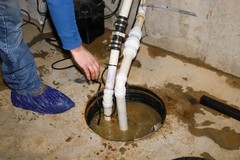
When asking what is a sewage ejector pump, the simplest answer is that it is a specialized pump designed to move both liquid waste and solid matter from a lower level up to the main sewer line. The pump sits inside a sealed basin, often called a sump or pit, buried in the floor. As wastewater fills the basin, a float switch triggers the pump to turn on, pushing the contents up and out through a discharge pipe. Once the basin empties, the pump shuts off and waits for the next cycle.
These pumps are built to handle solids up to a certain size, which sets them apart from a standard sump pump that only deals with clean groundwater. That distinction is important, because using the wrong pump for the job is a recipe for clogs and failures.
The clearest sign you need this type of pump is a plumbing fixture located below your home's main sewer line. If you are finishing a basement and adding a toilet, shower, sink, or laundry hookup, there is a strong chance the waste cannot drain by gravity alone. In those cases, a sewage ejector pump becomes essential to move waste reliably.
Homes in low-lying areas or those with deep basements are especially likely to require one. Older houses that never had basement plumbing may also need a pump installed during a remodel. If you are unsure whether your project calls for one, a licensed plumber can evaluate the elevation of your fixtures relative to the sewer line and make the right recommendation.
It is worth noting the difference between the various pumps in a basement. A sump pump handles clean water from around the foundation. An ejector pump handles gray water and sewage from fixtures. A sewage grinder pump does similar work but shreds solids first for homes with longer or more difficult discharge runs. Knowing which one your home has helps you maintain it correctly and respond quickly if something fails.
A failing pump rarely gives up without warning, and catching the signs early can prevent a messy backup. Pay attention to these common indicators:
Any of these symptoms deserves prompt attention. A pump that stops working while the household keeps using water can lead to sewage overflowing into your living space, creating a serious health hazard and significant property damage.
Regular maintenance goes a long way toward extending the life of your equipment and avoiding emergencies. At least once or twice a year, inspect the basin lid to make sure the seal is intact and the vent is clear. A properly sealed basin keeps sewer gases out of your home and allows the pump to operate efficiently. Check that the float switch moves freely, since a stuck float is one of the most frequent causes of pump failure.
Be mindful of what goes down the drains connected to the pump. Flushing wipes, paper towels, grease, or feminine products can clog the impeller or the discharge line, even if the packaging claims they are flushable. Treating these fixtures with the same care you would give any toilet keeps the system running smoothly. If your pump is more than seven to ten years old, it is wise to have it evaluated, as components wear out over time and a proactive replacement beats an emergency one.
Understanding what is a sewage ejector pump is only useful if you also know the limits of your own comfort and expertise. Electrical connections, sealed basins, and sewage handling are not ideal territory for most do-it-yourself fixes. When a pump fails and waste has already escaped the basin, the priority shifts from repair to cleanup and safety.
Even with diligent maintenance, pumps fail, power outages happen, and clogs form. When sewage backs up into a basement, time is critical. Contaminated water carries bacteria and pathogens, and it can quickly soak into flooring, drywall, and belongings. The longer it sits, the greater the risk of mold growth and permanent damage. If you find yourself facing a backup, shut off water use in the home and avoid contact with the contaminated area until professionals can assess it.
This is where our team steps in. We provide professional sewage cleanup in Madison and nearby communities, handling the extraction, sanitizing, and drying that a situation like this demands. Proper remediation is not just about removing the visible mess. It involves disinfecting surfaces, addressing hidden moisture, and preventing the secondary problems that follow untreated contamination. The same expertise applies to our work with water damage restoration in Waunakee and across the Madison area, where fast response makes all the difference in limiting losses.
Knowing what is a sewage ejector pump, how to spot trouble early, and when to call for help puts you in a far better position than most homeowners. These pumps do quiet, unglamorous work beneath your floors, but when they stop, the consequences are impossible to ignore. Keep up with inspections, be careful about what enters the system, and do not hesitate to bring in a licensed plumber for installation or repair questions.
If a sewage backup or water emergency does strike your home, Dry Source Property Restoration is ready to respond across Madison and the surrounding areas. Reach out to our team for prompt, thorough cleanup that protects your family and your property.
October 17, 2026

October 15, 2026

October 9, 2026