Before Building on a Flood Plain: Risks, Rules, and Planning Tips
October 7, 2026
Dry Source Property Restoration


Blog
Water always finds the lowest ground, and property owners who ignore that simple truth often pay for it later. If you have your eye on a piece of land near a river, wetland, or low-lying stretch of the Yahara watershed, you may already be looking at a flood plain without realizing it. Understanding the reality of building on a flood plain before you break ground can save you thousands of dollars, plenty of headaches, and a great deal of stress down the road. As a trusted restoration company in Madison and its neighboring towns, we have seen firsthand what happens when water reclaims land that people assumed was safe.
Flood plains are not inherently unbuildable, and many beautiful, functional properties sit within them. The difference between a smart investment and a costly mistake usually comes down to preparation, compliance, and honest risk assessment. This guide walks through what you need to know before you commit.
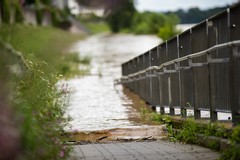
A flood plain is the flat, low-lying land adjacent to a river, stream, lake, or other body of water that is prone to flooding during heavy rain, snowmelt, or storm surges. In Wisconsin, these areas are mapped by FEMA and often further defined by local zoning offices. The most commonly referenced designation is the 100-year flood plain, which describes land that has a one percent chance of flooding in any given year. That figure sounds reassuring until you realize it means there is roughly a one in four chance of a significant flood over the life of a 30-year mortgage.
Flood plains serve an important natural purpose. They absorb and slow floodwaters, protect water quality, and provide habitat. When people build in these zones without accounting for that function, they interrupt the natural flow of water, which can worsen flooding for neighboring properties and their own. Before building on a flood plain, it is worth checking exactly which zone your parcel falls into, because the rules and costs shift dramatically depending on the designation.
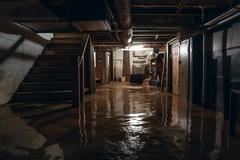
The most obvious risk is water intrusion, but the consequences ripple outward from there. Repeated flooding can undermine foundations, warp framing, ruin electrical systems, and create the damp conditions where mold thrives. Even a few inches of water inside a structure can require extensive cleanup and drying. Homeowners in the Madison area and neighboring communities are often surprised by how quickly a minor water event turns into a major restoration project.
Beyond the physical damage, there are financial realities. Standard homeowners insurance does not cover flood damage. If your property sits in a designated flood plain and you carry a federally backed mortgage, you will almost certainly be required to purchase separate flood insurance, which adds an ongoing cost that many buyers fail to budget for. Resale value can also suffer, since future buyers will inherit the same insurance obligations and risks. Understanding these factors early helps you weigh whether the land is truly the bargain it appears to be.
Building on a flood plain in Wisconsin is heavily regulated, and for good reason. Local municipalities enforce floodplain zoning ordinances that dictate what you can build, how high, and using which methods. In most cases, the lowest floor of a structure must be elevated above the base flood elevation, often by a required margin known as freeboard. You may also face restrictions on basements, fill placement, and the total footprint of construction.
Permitting is more involved than a typical build. Expect to provide elevation certificates, engineering reports, and detailed site plans. Some projects require a review to confirm they will not increase flood risk for surrounding parcels. Skipping these steps is not an option, because unpermitted construction in a flood zone can lead to fines, forced removal, and denial of insurance claims. The takeaway is straightforward: engage your local zoning office and a qualified engineer before you finalize any plans.
If you decide to move forward, thoughtful planning is your best defense. The goal is to design a structure that works with the water rather than against it. A few strategies consistently pay off:
It also helps to plan for the day water does arrive. Sump pumps with battery backups, proper foundation sealing, and accessible shutoff points all reduce the severity of an event. No amount of planning eliminates the risk entirely, so building a relationship with a reliable restoration team ahead of time means you already know who to call when minutes matter.
Even the best-designed home in a flood zone can take on water during an extraordinary storm. When that happens, speed is everything. Standing water begins damaging materials immediately, and mold can start growing within 24 to 48 hours. Professional water extraction, structural drying, and dehumidification prevent a bad situation from becoming a total loss. This is exactly the kind of work our team handles, and you can learn more about our water damage restoration in Madison and beyond to understand what recovery involves.
Storms in southern Wisconsin do not respect property lines, which is why we serve homeowners across the region, from Deerfield to Madison and the surrounding areas. Whether you need help after a river overflow or need storm damage restoration in Fitchburg, having experienced professionals on call gives you a meaningful advantage when water threatens your investment.
Building on a flood plain is not automatically a bad idea, but it is never a decision to make casually. The land may be affordable and beautiful, yet the ongoing insurance costs, strict regulations, and genuine risk of water damage all deserve careful thought. When you take the time to research your flood zone designation, follow local building codes, and design with water in mind, you dramatically improve your odds of a safe and lasting structure.
The property owners who fare best are the ones who plan for the worst while hoping for the best. That means elevating your build, protecting your utilities, understanding your insurance obligations, and knowing who to call the moment water appears. If you ever find yourself dealing with flood damage or want guidance on protecting a property in a high-risk area, our team is ready to help. Reach out to Dry Source Property Restoration for a fast response and honest advice tailored to your situation and your home.

October 3, 2026

September 23, 2026