How Can You Tell If You Have a Chimney Fire?
August 23, 2026
Dry Source Property Restoration


Blog
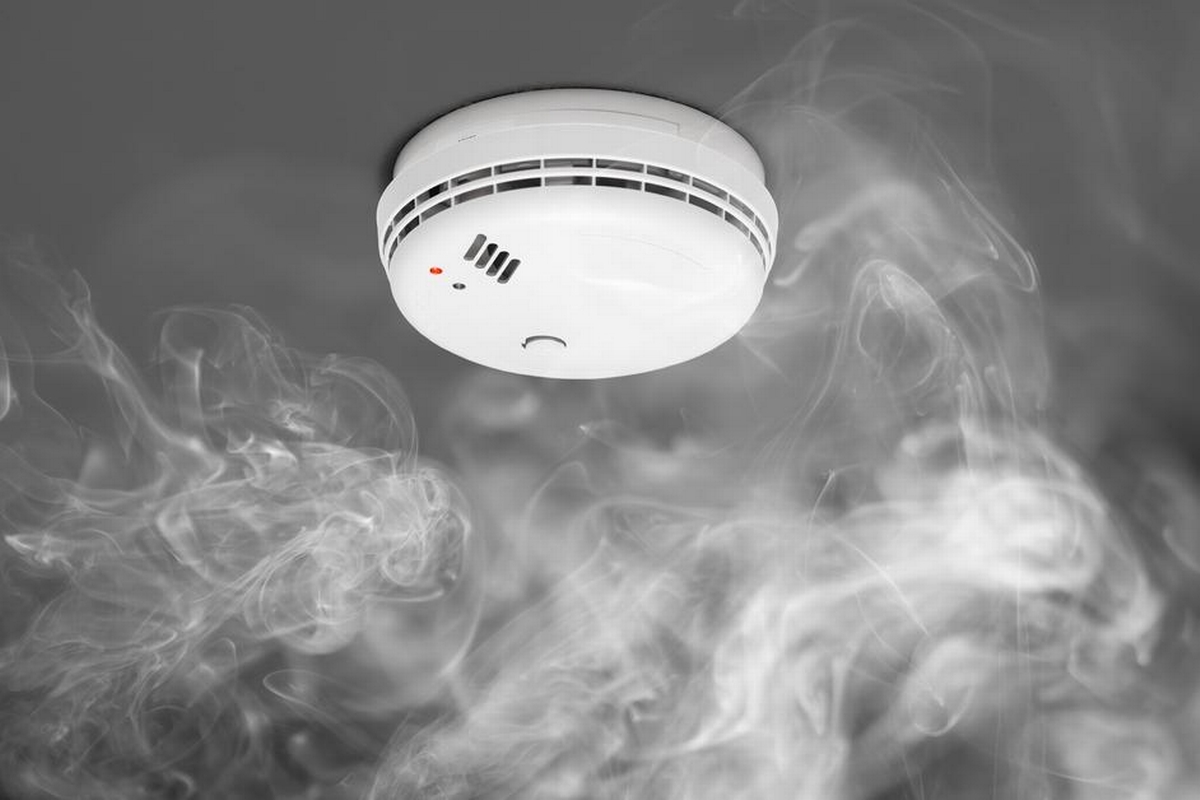
How many times have you been startled awake in the middle of the night by the piercing sound of a smoke detector? Whether it's caused by a false alarm or an unforeseen fire hazard, understanding what sets off a smoke detector is crucial for your safety and peace of mind. As a leader in providing restoration services, Dry Source Property Restoration, an experienced restoration company in Madison, understands the concerns homeowners and businesses face when dealing with smoke detectors and fire safety. This blog post aims to explore the various triggers for smoke detector activation, providing you with insights to prevent unnecessary alarms and protect your property effectively.
Smoke detectors play a vital role in early fire detection, saving lives and limiting property damage. Nevertheless, false alarms can create unnecessary panic and interrupt daily life. The following sections will delve into common triggers for smoke detectors, including both genuine threats and false alarms, to help you maintain a secure environment while minimizing interruptions.
The primary function of a smoke detector is to alert occupants to the presence of smoke or fire. When smoke enters the detector's sensing chamber, it disrupts the ionization process or optical light path, triggering the alarm. This quick response is essential in providing early warnings and facilitating prompt evacuation or firefighting. Ensuring that your smoke detectors are properly installed and maintained is key to their effectiveness.
Household cooking is notorious for setting off smoke detectors, especially when frying, sautéing, or grilling. The dense particle concentration produced by cooking can easily drift towards the detectors, leading to false alarms. To mitigate this, consider installing smoke detectors a safe distance from cooking areas and using exhaust fans or opening windows to disperse fumes.
Surprisingly, high humidity and steam can sometimes mimic the conditions detected by smoke alarms. Hot showers or boiling pots can produce enough steam to trigger a detector, particularly if placed too close to bathrooms or kitchens. In such cases, opting for detectors with a hush feature can prevent nuisance alarms until the air clears.
Dust and dirt can also interfere with the sensing mechanisms of smoke detectors. Over time, these particles accumulate in the chamber, leading to false alarms or reducing the detector's sensitivity. Regular cleaning with a vacuum attachment or a soft brush can help keep your detector functioning optimally.
Insects are small enough to crawl into the smoke detector chamber, causing an obstruction that triggers the device. This is a less common cause but can still lead to false activations. Sealing openings with mesh and regularly cleaning the device will help avoid these insect-related alarms.
Spraying products like deodorants, air fresheners, or cleaning solvents too close to smoke detectors can confuse them due to the high concentration of particles. To prevent this, avoid spraying such products in the immediate vicinity of the detectors.
The positioning of smoke detectors plays a critical role in their efficiency. Ensuring detectors are installed according to the manufacturer's guidelines and at least ten feet away from cooking appliances can reduce false alarms. It's also advisable to install them on all levels of a home, including basements and bedrooms, for comprehensive coverage.
Regular testing ensures your detectors are functioning properly. Test your smoke detectors monthly by using the test button, and replace batteries every six months or as recommended. Clean the detectors regularly to prevent dust accumulation, and consider scheduling annual professional inspections to verify their reliability.
Technology advancements have led to the development of smart smoke detectors that can differentiate between various types of smoke and other particles. Such devices can send alerts to your smartphone, allowing you to respond promptly to genuine alarms. Smart detectors can also integrate with other smart home systems, providing added safety features.
There are instances where persistent false alarms might require more than DIY solutions. If you continually experience issues, it may be time to consult with professionals who offer fire damage restoration services in Madison and beyond. Experts can assess whether your detectors are up to current codes, recommend suitable replacements, and ensure your system is correctly calibrated and positioned.
In Madison, WI, where fire safety is a growing concern, having a reliable partner like Dry Source Property Restoration can make a significant difference. Our services extend beyond smoke alarms to comprehensive fire damage restoration and prevention solutions. Whether you’re dealing with smoke detector malfunctions or actual fire damage, our expert team is equipped to assist you effectively.
Our services aren't limited to Madison. Whether you're exploring fire damage restoration in Waukesha or are interested in storm damage restoration elsewhere, our reach covers numerous locations, including West Allis, Wauwatosa, and Franklin. No matter where you are, Dry Source Property Restoration is ready to aid in recovery and prevention efforts.
Knowing what sets off a smoke detector is invaluable for maintaining safety while minimizing disruptions. By understanding the common triggers, implementing preventive measures, and relying on professional insights, you can ensure your property is well-protected. Should any issues arise, Dry Source Property Restoration is just a call away, ready to provide expert assistance and restoration services that address all your fire safety needs. Whether you need fire damage restoration in Brookfield or storm damage restoration in the New Berlin area, our team offers tailored solutions to meet your unique requirements, safeguarding your home or business with reliability and care.
Seize control of your safety measures today. Contact Dry Source Property Restoration for professional guidance and services that you can trust.
August 23, 2026
August 21, 2026

August 17, 2026

August 15, 2026