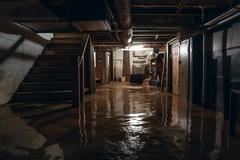
5 Basement Flood Solutions Homeowners Should Know Before Water Spreads
October 1, 2026
Dry Source Property Restoration


Blog
A few inches of water in your basement can turn into thousands of dollars in damage faster than most homeowners expect. Water travels, seeps into drywall, soaks insulation, and creeps under flooring within hours, which is why knowing your flood in the basement solutions ahead of time matters so much. The moment you spot standing water, the clock starts, and the choices you make in those first minutes shape how much of your home you can save.
Because Wisconsin basements deal with everything from heavy spring storms to failed sump pumps and frozen pipe bursts, having a plan is not optional. As experienced restoration contractors in Madison, we have walked into countless flooded basements where quick action made all the difference. Below are five practical solutions every homeowner should understand before water has a chance to spread.
Before you step into any flooded basement, safety has to come first. Water and electricity are a dangerous combination, so if you can safely reach your electrical panel without standing in water, shut off power to the affected area. If the panel itself is in the flooded zone or you have any doubt, do not touch it. Call a professional instead.
Once the space is safe to enter, identify where the water is coming from. A burst supply line, an overflowing water heater, or a failing appliance can often be stopped by closing the nearest shutoff valve or your home's main water supply. Groundwater intrusion from storms is harder to control at the source, but stopping an active leak inside the home prevents the problem from getting worse while you address the water already on the floor. The faster the flow stops, the fewer flood in the basement solutions you will need to rely on later.
Standing water does not sit still. It wicks into porous materials, migrates along floor joints, and pushes humidity into every corner of your basement. The sooner you remove it, the less secondary damage you will face. For smaller amounts, a wet/dry vacuum can be effective. For larger volumes, a submersible pump moves water out far more efficiently.
Direct the discharge away from your foundation so the water does not simply return. Keep in mind that even after the visible water is gone, moisture remains trapped in drywall, subflooring, and framing. This is where many homeowners underestimate the scope of the problem. Professional-grade extraction paired with moisture readings gives a much clearer picture of what still needs to dry, which is a core part of any effective water damage restoration in Madison and oits nearby areas.
Removing the water is only half the battle. Once the surface is clear, drying the space thoroughly is what prevents mold, wood rot, and lingering odors. Open windows if the weather allows, run fans to keep air moving, and set up a dehumidifier to pull moisture out of the air. In a basement, where airflow is naturally limited, dehumidification is often the deciding factor between a full recovery and long-term problems.
Pay special attention to hidden spaces. Behind walls, under carpet padding, and inside wall cavities are the places moisture loves to hide. Mold can begin developing within 24 to 48 hours, so speed matters. If materials stay damp for too long, remediation becomes far more involved. When drying feels beyond what household equipment can handle, that is a strong signal to bring in a team with commercial air movers and structural drying tools.
Not everything that touches floodwater can be saved, and trying to keep the wrong items can create health risks down the road. Solid, non-porous belongings like metal shelving, plastic bins, and sealed containers can usually be cleaned and disinfected. Porous materials such as soaked carpet, drywall, insulation, and particleboard furniture often need to be removed, especially if the water was contaminated.
As you sort through the space, keep these priorities in mind:
Making these decisions early keeps the cleanup organized and reduces the chance that mold spreads from ruined materials to items you could have kept.
Some floods are small enough to handle on your own, but many are not. When water has reached finished walls, seeped under flooring, or sat for more than a day, professional intervention becomes the smartest of all the flood in the basement solutions. Restoration teams bring moisture detection equipment, industrial drying systems, and antimicrobial treatments that go far beyond what a mop and a household fan can accomplish.
Professionals also spot the problems homeowners tend to miss, like moisture trapped inside wall cavities or early mold growth in hidden corners. That expertise prevents the slow, expensive damage that shows up weeks later. For homeowners dealing with weather-related flooding, our storm damage restoration in Madison responds quickly to limit how far water can travel. We serve Madison and the surrounding areas, so help is rarely far away when a basement starts filling up.
Once the immediate crisis is handled, it pays to reduce the odds of it happening again. Test your sump pump regularly and consider a battery backup so it keeps working during power outages. Extend downspouts away from your foundation, seal visible cracks, and grade the soil around your home so water flows away rather than toward the walls. Small maintenance steps like these are far cheaper than repeated cleanups.
Also keep an eye on aging appliances and plumbing. Water heaters, washing machine hoses, and supply lines are common culprits behind sudden indoor flooding. Replacing worn components before they fail is one of the simplest and most reliable flood in the basement solutions available to any homeowner.
Flooding is stressful, but a calm, informed response protects both your home and your peace of mind. Stop the water, remove it fast, dry the space thoroughly, sort your belongings carefully, and bring in professionals when the situation calls for it. Homeowners who understand these steps recover faster and spend far less than those who wait. From basement flooding to water damage restoration in Greendale and communities across the region, our team is ready to help you get back to normal. If your basement has taken on water, reach out to Dry Source Property Restoration for a fast, thorough response.

September 23, 2026
September 21, 2026
September 17, 2026