Best Fire Damage Assessment Methods for Identifying Hidden Problems
November 15, 2026
Dry Source Property Restoration


Blog
When a fire is finally extinguished, the visible damage tells only part of the story. Charred walls and scorched furniture are obvious, but the most costly problems often hide behind the surfaces you can see. Smoke seeps into insulation, soot settles inside HVAC systems, and moisture from firefighting efforts quietly feeds mold growth in places no one thinks to check. That is why a thorough, methodical inspection matters so much, and why working with an experienced damage restoration company in Madison and the nearby areas can be the difference between a complete recovery and a lingering nightmare.
The best fire damage assessment goes well beyond a quick walkthrough. It involves understanding how heat, smoke, and water move through a structure and knowing exactly where hidden trouble tends to accumulate. In this guide, we will walk through the methods professionals rely on to uncover the problems that homeowners and even some inspectors overlook.
Fire behaves in unpredictable ways. Heat rises and travels, smoke follows air currents, and soot particles are small enough to penetrate tiny gaps around outlets, baseboards, and ductwork. Even a small kitchen fire can send smoke residue into rooms that never saw flames. Meanwhile, the water used to put out the fire often causes as much long-term harm as the fire itself, soaking into subfloors, wall cavities, and insulation.
Because these effects are concealed, they frequently go unaddressed in a surface-level cleanup. Weeks later, families notice persistent odors, discoloration bleeding through fresh paint, or corrosion on metal fixtures. A proper evaluation catches these issues early, before they compromise structural integrity or indoor air quality.
A reliable inspection combines trained observation with specialized tools. Professionals do not simply look at damage; they measure it, map it, and document it. The best fire damage assessment typically relies on several complementary techniques working together to form a complete picture of what happened inside the structure.
Visual inspection remains the foundation. Technicians examine char patterns, smoke staining, and heat damage to understand how the fire moved and where it burned hottest. These clues guide the rest of the evaluation and reveal which areas deserve closer scrutiny.
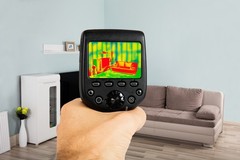
From there, instruments take over where the eye cannot reach. Moisture meters and thermal imaging cameras detect water trapped inside walls and ceilings, while air quality testing identifies lingering contaminants. The combination of experience and technology is what separates a surface assessment from one that genuinely protects your property and your family.
Infrared cameras reveal temperature differences that indicate trapped moisture behind walls or beneath flooring. Paired with calibrated moisture meters, technicians can pinpoint saturated materials without tearing open every surface. This precision prevents both missed damage and unnecessary demolition, keeping restoration focused and efficient.
Not all soot is the same. Dry soot from a fast, high-temperature fire behaves differently than the greasy, sticky residue left by smoldering plastics or protein-based kitchen fires. Identifying the type of residue determines the correct cleaning approach. Using the wrong method can smear soot deeper into surfaces, making odors and stains permanent. Testing also reveals how far smoke traveled, which often surprises homeowners who assumed distant rooms were untouched.
Smoke odor is caused by microscopic particles embedded in porous materials. A thorough assessment includes checking HVAC systems, ductwork, and soft furnishings where these particles hide. Addressing the source rather than masking the smell is the only way to eliminate odor for good, and testing confirms whether contaminants remain after cleaning.
Experience teaches restoration teams exactly where trouble tends to hide. These are the spots that casual inspections routinely miss and where unresolved damage causes the most grief down the road.
Each of these areas requires a deliberate check. Skipping them is how a fire that seemed minor turns into a far larger problem months later, often one that insurance may be harder to claim for after the fact.
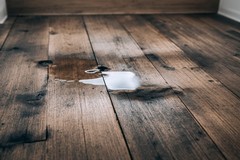
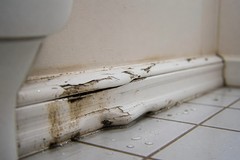
It is easy to fixate on the fire and forget the water. Yet the gallons used to suppress flames saturate carpets, drywall, and structural framing, creating ideal conditions for mold. The best fire damage assessment always includes a parallel evaluation of water intrusion, because the two problems are deeply connected. A home can pass a visual fire inspection while quietly developing hidden mold behind the walls.
This is why integrated restoration matters. Teams that handle both fire and water damage restoration in Madison understand how to prioritize drying alongside soot removal, preventing secondary damage from taking hold.
A detailed assessment is not only about restoration; it is also about protecting your financial interests. Thorough documentation of every affected area, complete with photos, moisture readings, and material inventories, gives you the evidence needed for a fair insurance settlement. Insurers respond to specifics, and a vague description of damage leaves money on the table.
Knowing your rights throughout this process helps you advocate for yourself. Wisconsin property owners can review the Insurance Bill of Rights for Wisconsin Property Owners to better understand what to expect when filing a claim. Pairing solid documentation with an awareness of your protections puts you in a far stronger position.
Recovering from a fire is overwhelming, but a disciplined, methodical evaluation turns chaos into a clear plan. The best fire damage assessment uncovers the hidden smoke, soot, moisture, and structural concerns that would otherwise resurface later, saving you from repeated repairs and unexpected costs. From thermal imaging to residue analysis to careful documentation, each method plays a role in restoring your home completely rather than superficially.
Whether you are dealing with a small kitchen flare-up or significant structural fire damage, the goal is the same: identify every problem, address the root causes, and restore your property to a safe, healthy condition. Homeowners across Madison, WI and the surrounding areas rely on thorough assessments to make that happen, and the same careful standards guide our approach to fire damage restoration in Brookfield and neighboring communities.
If you have recently experienced a fire, do not wait for hidden problems to announce themselves. Reach out to our team for a professional evaluation, and let experienced restoration specialists help you move forward with confidence.
November 15, 2026