Hail Damage on Wood Siding: How to Spot Problems Before They Spread
November 21, 2026
Dry Source Property Restoration


Blog
After a strong storm rolls through southern Wisconsin, most homeowners check their roof and move on. Yet wood siding often takes a quiet beating that goes unnoticed for weeks or even months. Hail damage on wood siding can start as a few small dents and cracks, but those tiny openings create a path for moisture, rot, and eventually costly structural issues. As a restoration company in Madison, we have seen how a quick inspection after a storm can save a homeowner thousands of dollars in repairs down the road.
The challenge with wood siding is that the damage is not always dramatic. Unlike a shattered window or a missing shingle, hail impact can leave subtle marks that blend into the natural grain and texture of the wood. Knowing what to look for, and acting before small problems spread, is the key to protecting your home and your wallet.
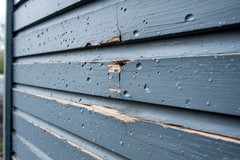
Wood is a natural material that expands, contracts, and absorbs moisture. When hail strikes, it can crack the protective paint or stain layer, split the wood fibers, or gouge out small chips. Each of these wounds exposes bare wood to rain, snowmelt, and humidity. Over time that trapped moisture leads to swelling, warping, and decay that spreads well beyond the original point of impact.
The size and density of hail matter too. Even pea-sized hail driven by high winds can pit and scar older siding, while larger stones leave obvious punctures. Because Wisconsin storms often mix wind and hail, damage frequently appears on one side of the house more than another. That is why inspecting every exposure, not just the most visible wall, is so important.
Spotting trouble early means knowing the difference between normal wear and storm-related harm. Some indicators are easy to see, while others require a closer look in good light. Walk the perimeter of your home slowly and run your hand along the surface where it is safe to do so.
If you notice several of these signs together, that pattern points to hail damage on wood siding rather than ordinary aging. Pay special attention to corners, trim, and areas near windows, where water intrusion causes the most trouble.
The real danger of hail damage is not the dent you can see, it is what happens underneath. Once the protective finish is compromised, water works its way into the wood. In our freeze-and-thaw climate, that moisture expands as it freezes and contracts as it thaws, widening cracks a little more each cycle. What began as a hairline fracture can become a deep split within a single winter.
Trapped moisture also invites mold and rot. Soft, spongy wood loses its ability to hold paint, nails, and its own shape, and the decay can travel into the sheathing and framing behind the siding. At that point a cosmetic repair turns into a structural one. Moisture that migrates indoors can even lead to interior mold growth, which is why addressing siding damage promptly protects far more than your home's curb appeal.
The best time to check for storm damage is within a day or two after severe weather, while the evidence is still fresh and before the next rainfall drives moisture deeper. Choose a bright day so angled sunlight reveals dents and texture changes that are hard to see in flat light. Bring a camera or your phone and photograph anything that looks suspicious, including wide shots that show the overall pattern and close-ups of individual marks.
Thorough documentation matters for insurance. Note the date of the storm, record the location of each damaged area, and keep any photos organized by wall. If you plan to file a claim, understanding your rights as a property owner helps the process go smoothly. Our guide to the Insurance Bill of Rights for Wisconsin Property Owners explains what to expect when working with your insurer so you are not caught off guard.
Minor surface marks can sometimes be sanded, filled, and refinished to seal out moisture before it causes deeper harm. Cracked or split boards usually need to be replaced to stop water intrusion, and matching the profile and finish of existing siding takes care to maintain a uniform appearance. The tricky part is knowing how far the damage really extends, because what looks like a single dent on the surface can hide moisture that has already reached the sheathing.
This is where a professional evaluation makes a difference. A trained restoration team can identify hidden moisture, assess whether decay has started, and recommend repairs that address the root problem rather than just the cosmetic symptoms. If water has already penetrated behind the siding, timely intervention can prevent the kind of widespread rot and mold growth that becomes expensive to remediate. Catching hail damage on wood siding early almost always costs less than waiting for it to spread.
Once repairs are complete, a few habits keep your siding resilient through future storms. Maintaining a sound coat of quality paint or stain gives the wood its first line of defense against moisture. Keeping gutters clear and directing water away from walls reduces the chance that minor surface damage turns into a saturation problem. After each major storm, a quick walk around the house helps you catch new damage while it is still small.
Homeowners throughout Madison and the surrounding communities face the same cycle of spring and summer storms every year, so building these inspections into your routine pays off. Early detection combined with prompt, quality repairs is the most reliable way to keep hail damage on wood siding from becoming a structural headache.
Storms do not give much warning, and the aftermath can feel overwhelming when siding, roofing, and interiors are all affected at once. The good news is that spotting trouble early puts you in control. By inspecting promptly, documenting carefully, and sealing or replacing damaged areas before moisture spreads, you protect both your home's appearance and its structure. If you are unsure how deep the damage goes, a professional assessment removes the guesswork.
Whether you need a thorough inspection after a hailstorm or full storm damage restoration in Madison, our team is ready to help homeowners across the region, from Madison and neighboring towns to storm damage restoration in Menomonee Falls. Reach out to Dry Source Property Restoration for a professional evaluation and get the peace of mind that comes from knowing your home is protected before the next storm arrives.
November 21, 2026
November 17, 2026

November 15, 2026