When Paint Starts Bubbling, Is Water Damage the Reason?
October 3, 2026
Dry Source Property Restoration


Blog
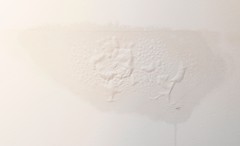
Few things catch a homeowner's eye faster than a wall that suddenly looks like it is blistering from the inside out. That raised, rippled texture can appear seemingly overnight, and it almost always signals that something is happening behind the surface. In many cases, bubbling paint from water damage is the culprit, and understanding why it happens can save you from far bigger problems down the road. If you are noticing this in your home and want expert guidance, our team offers damage restoration services in Madison and its nearby towns to help you find and fix the source.
Paint is designed to bond tightly to a clean, dry surface. When moisture works its way between the paint film and the wall, that bond breaks down, forcing the paint to lift away and form bubbles or blisters. The tricky part is that the visible bubble is rarely where the real trouble lies. What you see on the surface is often the final stage of a moisture problem that has been developing quietly for days, weeks, or even months.
When water infiltrates a wall or ceiling, it seeks the path of least resistance. As it moves through drywall, plaster, or wood, it eventually reaches the painted layer. Because paint is somewhat waterproof, the moisture cannot easily escape, so it collects underneath and pushes the paint outward. That pressure creates the classic bubble you see forming.
The moisture can come from an obvious event like a burst pipe or a roof leak, but it can also come from slower, less noticeable sources. High indoor humidity, condensation around windows, a leaking appliance, or water wicking up from a damp foundation can all lead to bubbling paint from water damage. Because these sources vary so much, correctly identifying the origin is the most important step in solving the problem for good.
Not every paint problem comes from water. Poor surface preparation, painting over a dirty wall, or applying paint in extreme heat can also cause blisters. So how do you know whether you are dealing with a true moisture issue? A few clues point strongly toward water as the reason.
Start by gently pressing on the bubble. If it feels soft, spongy, or damp, moisture is almost certainly involved. Dry bubbles that feel brittle and crack away cleanly are more likely the result of a bad paint job. You can also look for supporting signs nearby, such as discoloration, water stains with a yellow or brown ring, a musty odor, or areas of the wall that feel cool and damp to the touch. When several of these appear together, the case for water damage becomes very convincing.
Location matters too. Bubbling that shows up on ceilings below bathrooms, along exterior walls, near windows, or close to plumbing fixtures usually traces back to a water source. If the paint problem keeps returning after you repaint, that is another strong indication that moisture is still active behind the surface.
Pinpointing where the water is coming from often requires a bit of detective work. Some of the most frequent culprits we encounter include the following:
Each of these requires a different fix, which is why simply scraping and repainting rarely solves the underlying issue. Until the moisture source is stopped and the affected materials are properly dried, bubbling paint from water damage will keep coming back and may spread to new areas.
The bubble on your wall is a symptom, and treating only the symptom can be a costly mistake. When drywall, insulation, and framing stay wet, they create an ideal environment for mold to grow. Mold can begin developing within a day or two of materials becoming saturated, and it often spreads inside wall cavities where you cannot see it. That is why persistent moisture problems sometimes call for professional mold removal and remediation in Madison in addition to drying and repairs.
Lingering moisture also weakens structural materials over time. Wood can swell, warp, and rot, while drywall loses its integrity and begins to crumble. What starts as a small cosmetic blemish can turn into a major repair project if the water is allowed to continue its work. Acting early, while the damage is still limited, almost always saves money and stress.
The first priority is to stop the water. If you can identify an active leak, such as a dripping pipe or an overflowing appliance, shut off the water supply to that area right away. For roof or window leaks during a storm, place a bucket beneath the drip and move belongings out of harm's way until the weather clears and repairs can be made.
Resist the urge to immediately scrape and repaint. Doing so before the wall is dry simply traps the moisture again and hides the problem from view. Instead, allow the area to dry thoroughly and monitor it for signs of returning moisture. A moisture meter can confirm whether the wall has actually dried out or whether water is still present behind the surface.
When the source is unclear or the affected area is large, professional help is the smart choice. Restoration specialists use thermal imaging and moisture detection tools to locate hidden water, then use commercial drying equipment to remove it completely.
Repairing bubbling paint correctly means addressing three things: stopping the water source, drying the materials completely, and only then restoring the surface. Skipping any of these steps almost guarantees the problem will return. A proper restoration also includes checking for mold and confirming that the structure behind the wall is sound before new paint ever goes on.
Our team serves homeowners throughout Madison and the surrounding areas, and we understand how quickly a small blister can turn into a much larger headache. Whether you are dealing with a slow drip or the aftermath of a major leak, catching bubbling paint from water damage early gives you the best chance of a simple, affordable repair. We also provide water damage restoration in Franklin and neighboring communities for those who need help beyond the immediate Madison region.
If your walls or ceilings are showing bubbles, stains, or that telltale spongy feel, do not wait for the problem to grow. Reach out to Dry Source Property Restoration for a thorough assessment, and let our specialists find the moisture at its source so your home stays dry, healthy, and looking its best.
October 3, 2026

September 23, 2026
September 21, 2026